
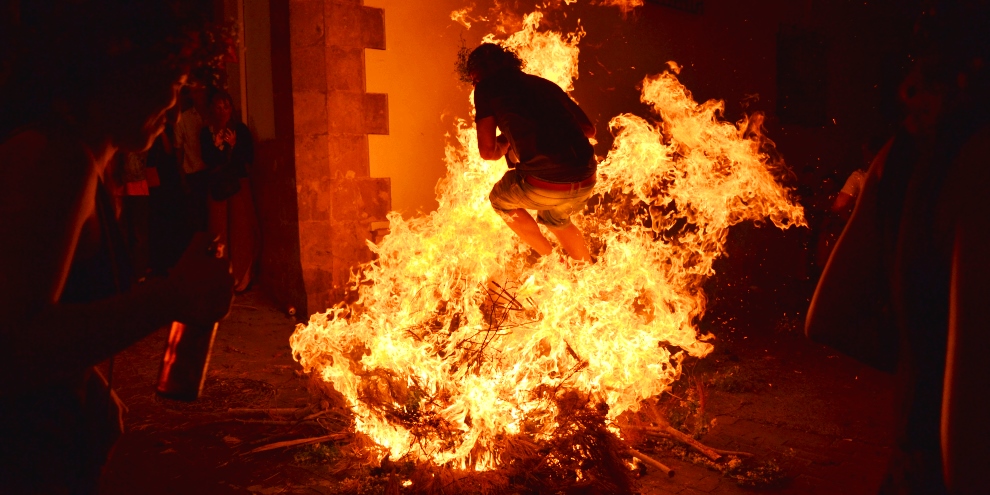
It goes without saying that the fiesta is the quintessential element of Spanish culture and the Spanish people simply wouldn’t be who they are without it. The concept may seem quite alien to the British, whose experiences may well have been limited to a rain-soaked summer carnival and a travelling fairground in a muddy local park every summer. However there are over 15,000 fiestas every year throughout Spain and it is said that even if you attempted to attend more than one a day, you wouldn’t be able to see them all in a single lifetime. And Jávea is no exception when it comes to the enthusiasm to party and there are celebrations of all shapes and sizes throughout the year.
Fiestas and Bank Holidays in 2026
Thursday 1st January – AÑO NUEVO (National Bank Holiday)
Tuesday 6th January – EPIFANÍA DEL SEÑOR (National Bank Holiday)
Thursday 19th March – SAN JOSÉ (Regional Bank Holiday)
Friday 3rd April – VIERNES SANTO (National Bank Holiday)
Monday 6th April – LUNES DE PASCUA (Regional Bank Holiday)
Tuesday 28th April – SAN VICENTE (Local Bank Holiday)
Friday 1st May – DÍA DE LOS TRABAJADORES (National Bank Holiday)
Wednesday 24th June – SAN JOAN (Regional Bank Holiday)
Sunday 15th August – ASUNCIÓN DE LA VIRGEN (National Bank Holiday)
Tuesday 8th September – FIESTA DE NTRA. SRA: DE LORETO (Local Bank Holiday)
Friday 9th October – DÍA DE LA COMUNITAT VALENCIANA (Regional Bank Holiday)
Monday 12th October – FIESTA NACIONAL DE ESPAÑA (National Bank Holiday)
Sunday 1st November – TODOS LOS SANTOS (National Bank Holiday)
Sunday 6th December – DÍA DE LA CONSTITUCIÓN ESPAÑOLA (National Bank Holiday)
Tuesday 8th December – DÍA DE INMACULADA CONCEPCIÓN (National Bank Holiday)
Friday 25th December – NATIVIDAD DEL SEÑOR (National Bank Holiday)
Xàbia Fiesta Programme 2026
This programme is subject to change and will be continuously updated throughout the year
JANUARY 2025
LOS REYES MAGOS · LA EPIFANÍA
The Arrival of the Kings · The Christmas Finale
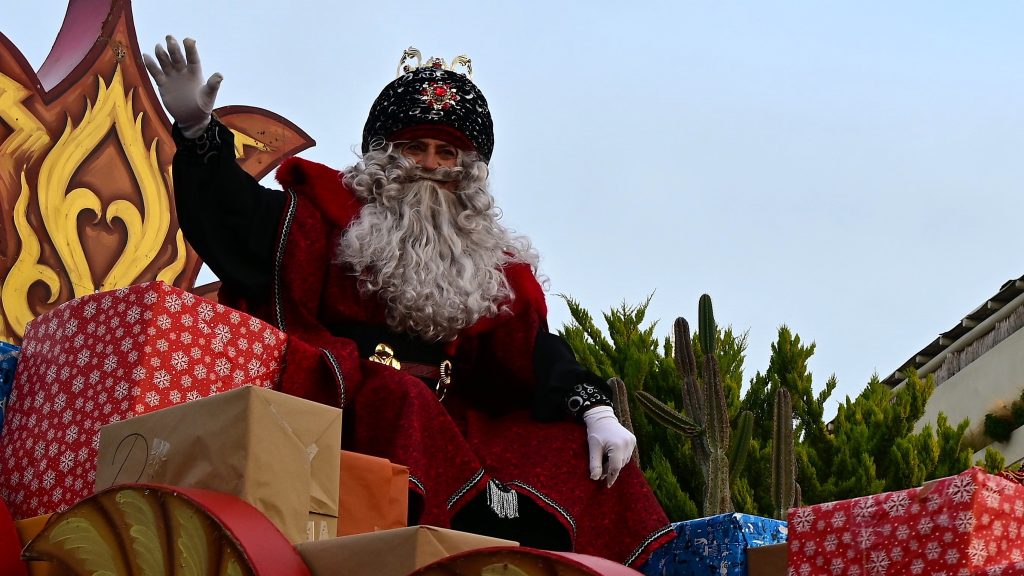
After weathering the lavish whirl of Christmas and New Year, many people are ready to return to a normal life, heading back to work and preparing for another term at school. Yet in Spain, the festivities still have one last, shimmering chapter: Epiphany, crowned by the arrival of Melchior, Gaspar and Balthazar, the Three Kings gliding in from the East with gifts and pageantry.
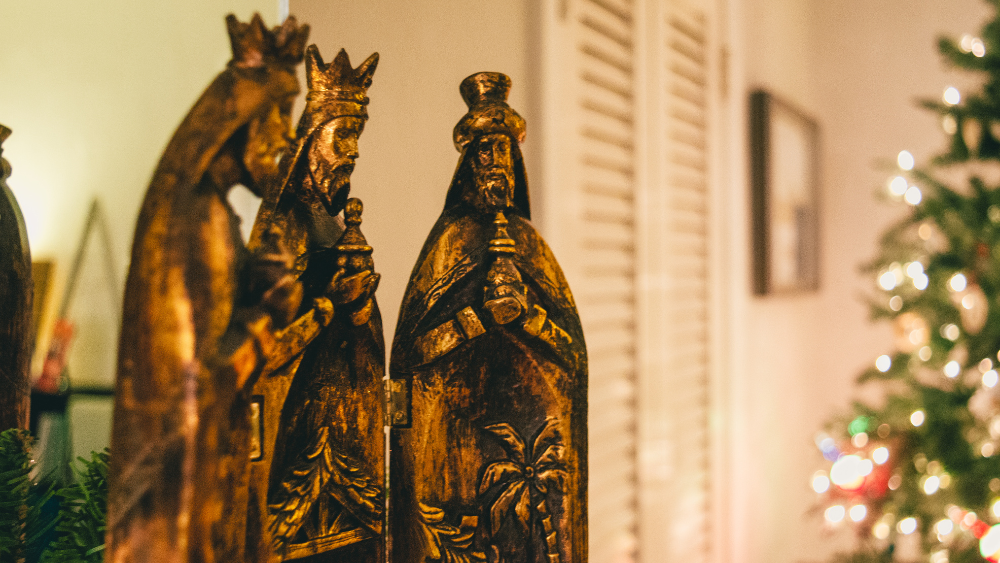
January 6th is a national holiday in Spain. It commemorates the visit of the Three Wise Men to the baby Jesus in Bethlehem. Guided by a star, they arrived bearing gifts of gold, frankincense, and myrrh, symbolizing Christ’s kingship, divinity, and mortality. For Christians, this moment reveals Jesus to the world as the Son of God, an “epiphany,” meaning manifestation or revelation. In Spain, it’s both a sacred religious observance and a cherished cultural celebration that blends faith, family, and festivity.
SAN ANTONIO ABAD
The Burning of the Pine and the Blessing of the Animals
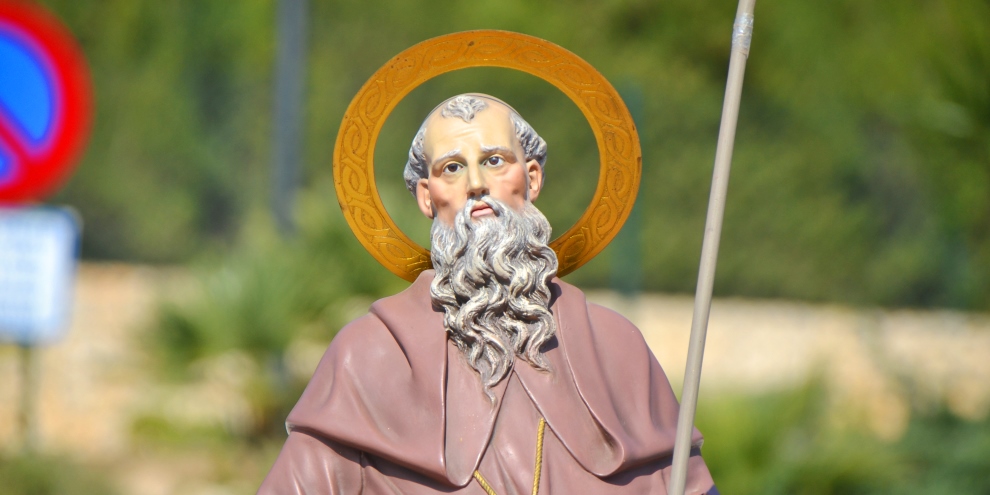
Every January, as Spain shakes off the chill of winter, towns and villages across the country burst into life for one of the most beloved and symbolic fiestas of the year, the feast of San Antonio Abad, patron saint of animals. Celebrated on January 17th, it’s a day that beautifully blends ancient pagan rites, Christian devotion, and rural tradition, where bonfires roar, bells ring, and animals – from pampered pets to sturdy farm beasts – receive a heartfelt blessing. And few towns capture the spirit of San Antonio Abad quite like Jávea, where the celebration unfolds in two distinct but equally charming events, one in the old town and one in the port zone.
SAN SEBASTIÁN
The Patron Saint of Xàbia
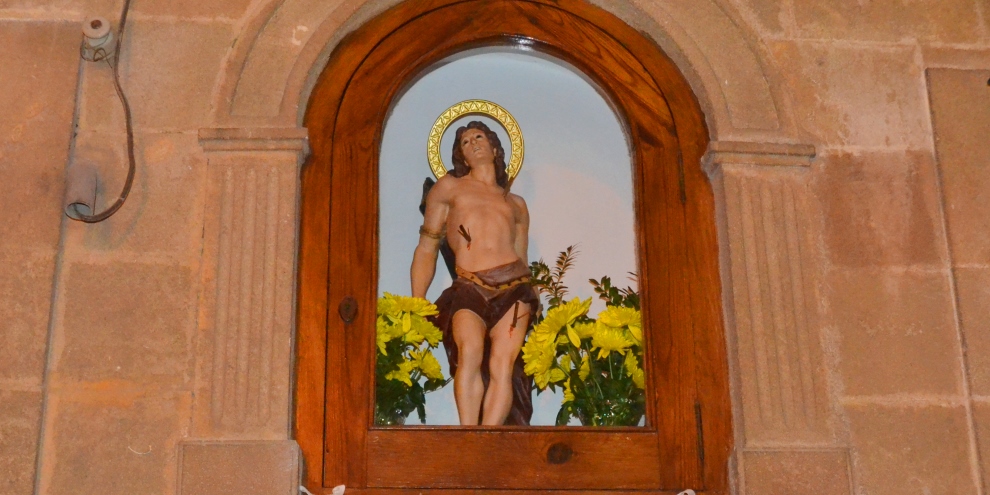
For years, the fiesta of San Sebastián drifted along the edges of Xàbia’s collective awareness, a quiet mid-winter murmur in a town better known for its sun-splashed summer saints. Then came 2012, and with it the revival of bull-running through the narrow arteries of the historic centre, a pulse-quickening tradition that thrust the celebration back into public view. Suddenly, San Sebastián was no longer a forgotten guardian. He was the headline act in a grand winter fiesta in the heart of the historic centre.
FEBRUARY 2025
CARNAVAL
A Tradition of Colour, Community and Celebration
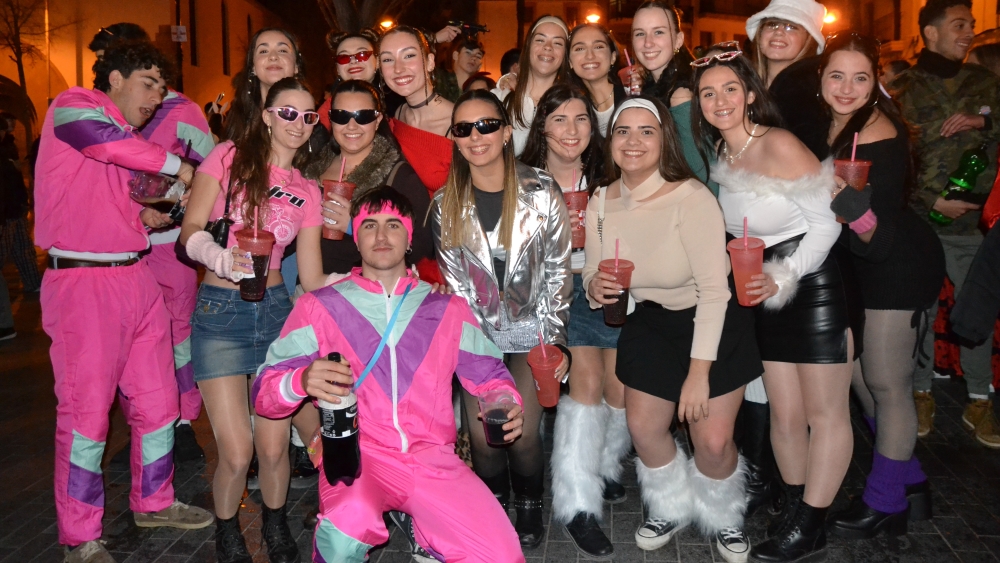
A few weeks before Easter, the town of Xàbia bursts into colour for its annual Carnival, a celebration that transforms the historic centre into a stage of sequins, satire and sound. Two fancy dress parades wind through the old streets: the first belongs to the children, wide eyed and wonderfully costumed, and the second, later in the evening, is reserved for adults who dance into the early hours in the Plaza de la Constitución. For some, Carnival marks the threshold of almost six weeks of restraint. For others, it is pure festivity, an open invitation to dress boldly and celebrate with friends.
MARCH 2025
LA BAIXADA
Xàbia’s Sacred Descent: The Timeless Journey of the Nazarene
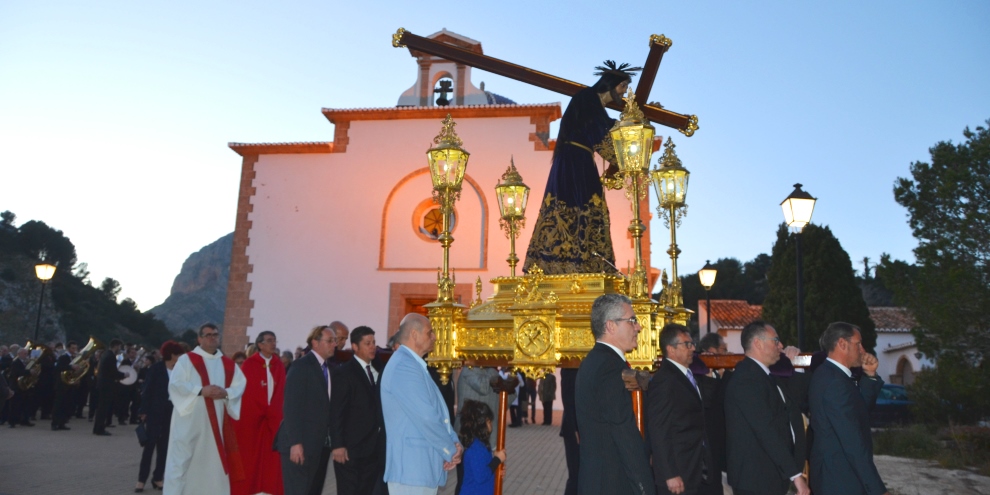
Each year, Xàbia’s residents gather to witness the solemn descent of Jesús Nazareno from the blue-domed Calvario chapel to the historic centre. Led by young acolytes and flickering candlelight, the procession winds through narrow streets, steep paths, and reverent crowds. Some walk barefoot in penance, others line balconies with fabrics and rose petals. This centuries-old tradition, believed to have protected the town from past epidemics, is a deeply emotional highlight of Xàbia’s calendar. The images arrive at San Bartolomé church, marking the start of Easter celebrations and reaffirming the town’s enduring faith.
MARCH 19 · SAN JOSÉ
From Father’s Day to Fire and Festivities
This is a regional holiday and most shops and businesses will be closed.
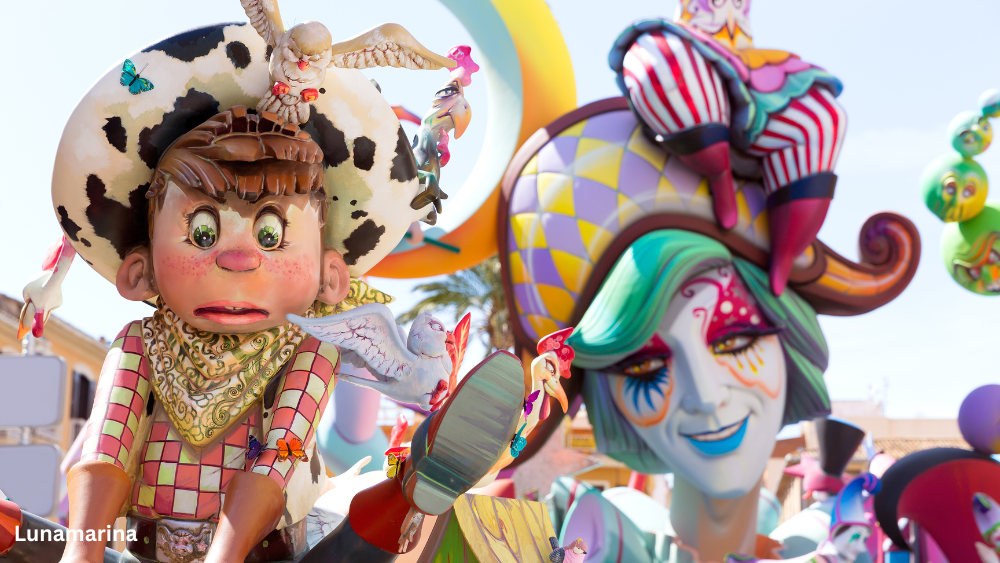
March 19 honours San José, making it Father’s Day across much of Spain. Families celebrate with church, gifts, and hearty lunches. In Valencia, the day explodes in colour and flames with Las Fallas—giant satirical statues set ablaze in spectacular bonfires, a tradition born from medieval carpenters welcoming spring. One lucky statue survives in the Las Fallas Museum. In Xàbia, it’s much calmer: shops are closed, it’s a day off, and the perfect excuse for a long lunch, a siesta, and maybe dreaming of Valencia’s fireworks from afar.
APRIL 2025
SEMANA SANTA
Easter in Xàbia and Spain
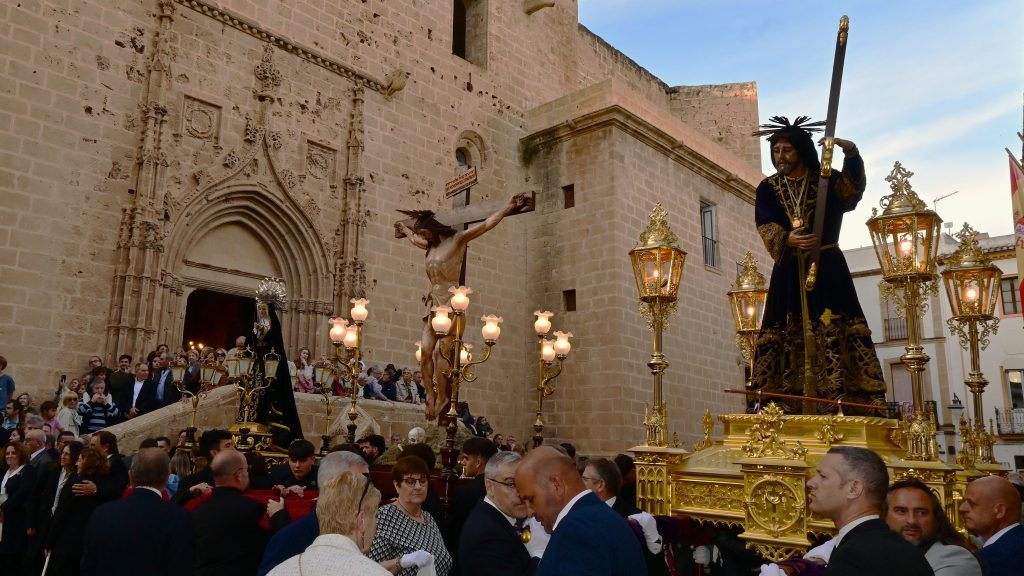
Easter – Pascua – is a major religious celebration in Spain and Xàbia has a full devotional programme to mark this special event. The festival commemorates the resurrection of Jesus from the dead after his crucifixion, the cornerstone of the Christian faith on which much of its religious doctrine and theology is based. Christians believe this event to be the most important in history, demonstrating a power over life and death which leads to eternal life, and is the most important to be celebrated during the year.
SEMANA SANTA
Understanding Spain’s Holy Week
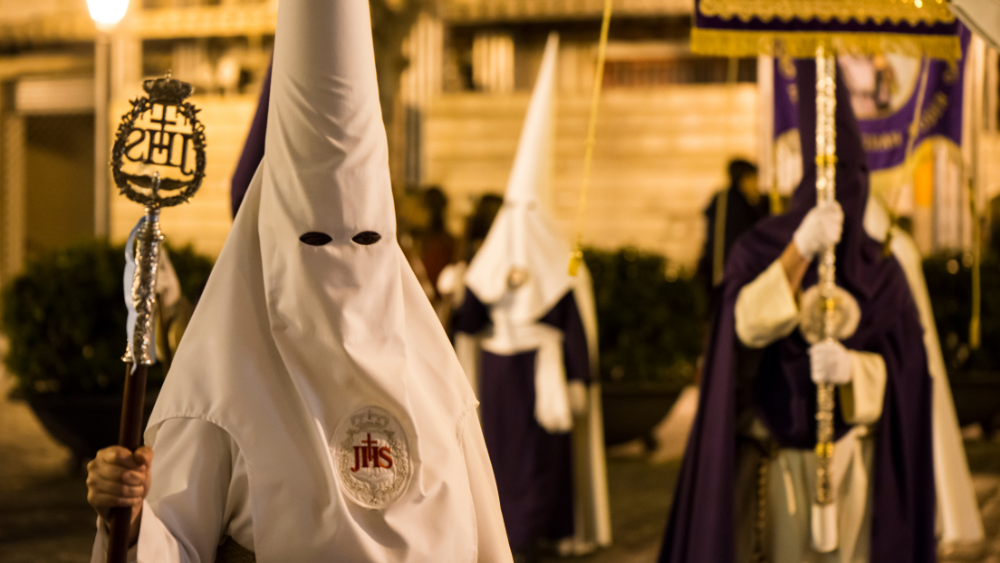
Semana Santa – ‘Holy Week’ in English – is one of Spain’s most profound and visually striking religious and cultural celebrations. Taking place during the week leading up to Easter Sunday, it commemorates the Passion, Death, and Resurrection of Jesus Christ and is marked by dramatic processions featuring ornate floats carried through the streets of many cities and towns across the country on the shoulders of devoted members of religious brotherhoods. Blending deep spiritual devotion with artistic expression and community pride, Semana Santa offers a powerful window into Spanish identity and heritage.
SAN VICENTE FERRER
The Second Monday After Easter

Each year, on the second Monday after Easter, many parts of the Comunidad Valenciana observe the feast day of San Vicente Ferrer, its patron saint and it is a non-working day in almost half of the region’s population, including those living in the city of València and in the Marina Alta, in the towns of Beniabeig, Benidoleig, Benissa, Castell del Castells, El Verger, Els Poblets, Parcent, Teulada, la Vall d’Ebo, la Vall de Gallinera, la Vall de Laguar, and Xàbia. 187cba
SAN FRANCISCO DE PAULA · The oldest procession in Xàbia

The procession of San Francisco de Paula is the oldest still performed in Xàbia, dating back to the mid-17th century. After a mass celebrated in the chapel in Placeta del Convent, the image of the saint is carried on the shoulders of devotees on a route around the Raval del Baix and into the historic centre before returning to the chapel.
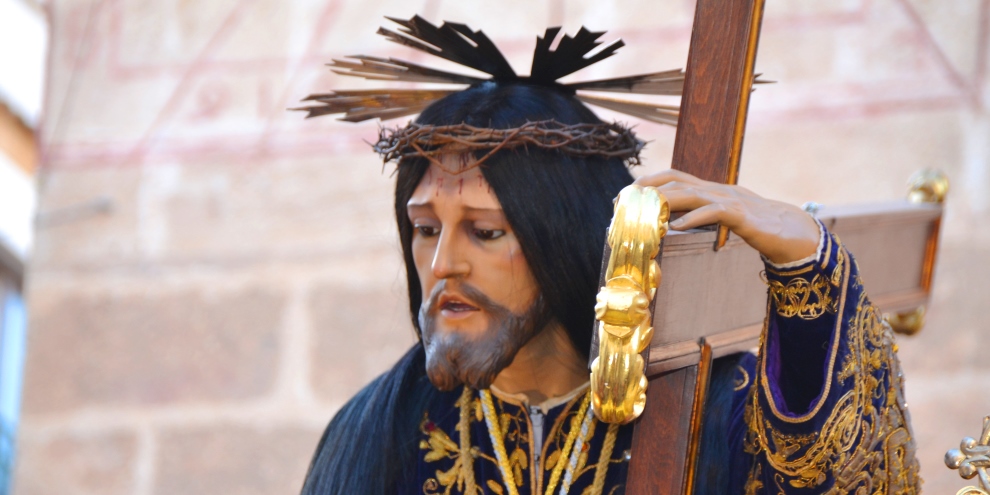
FIESTAS EN HONOR A JESÚS NAZARENO
At the end of the month, the village will start preparing for the biggest religious celebrations of the year, those which honour the treasured image of Jesús Nazareno. There will be bull-running in the Placeta del Convent, discos and live music, flower offerings, the famous flower crosses placed around the historic centre, and the return of the image to the blue-domed chapel on Wednesday 3rd May, with the festivities brought to a close with a stunning firework display.
MAY 2025
May 1st is known as Día del Trabajador in Spain. It originated in May 1889 when two different largely peaceful demonstrations – one socialist and the other anarchist – took place in Madrid to support workers’ rights. However, it really didn’t become official as a national holiday until as late as 1978. In Xàbia, the arrival of the first day of May sees several decorated crosses appear through the historic centre, its surrounding neighbourhoods and in Duanes de la Mar (the port zone), many of which made from colourful flowers and natural materials.
This is a national holiday, known as a RED DAY, and most shops and businesses will be closed.
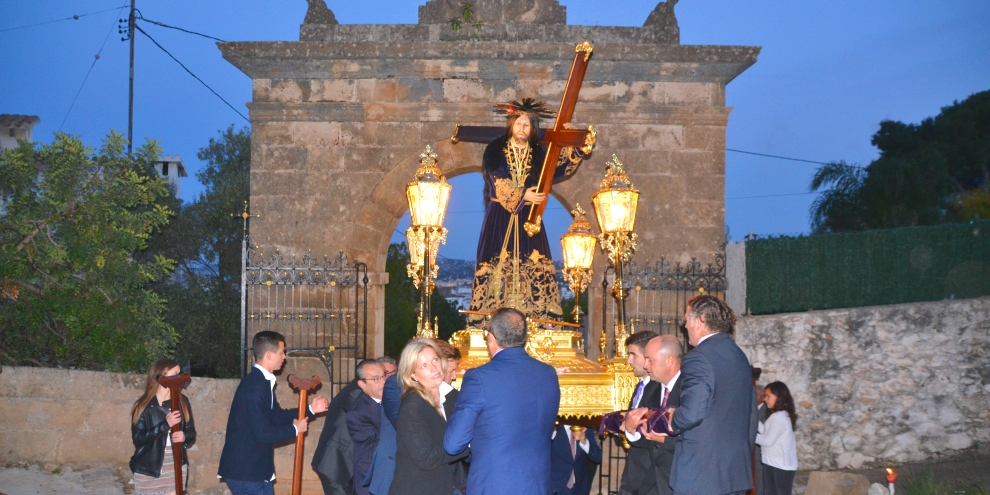
May 3rd is the final day of the festivities that honour the town’s treasured image of Jesús Nazareno. Since the Third Sunday of Lent, when it was carried in solemn procession from the iconic blue-domed chapel of Calvario, the Nazarene has been presiding over the town as “perpetual mayor” during the Semana Santa / Easter celebrations and during those that are held in its honour. Now, it is time for the image to be returned, carried back up the hill on the strong shoulders of the Brotherhood to be placed back inside the chapel for until next year. This is an act known as La Subida a Jesús Nazareno – the ascent of Jesus Nazareno.
This is a local holiday and most shops and businesses will be closed.
One of the most popular music festivals is Xàbia Folk. Over one weekend, there will be a series of concerts featuring traditional music from across Spain and Europe, sometimes from further afield to the Middle East and Africa. The concerts take place in the Plaza de la Constitución, except the final Sunday lunchtime concert which usually takes place inside the small chapel of Santa Llúcia on the hill overlooking the village.
May and June are traditionally the months for children to take their ‘Primera Comunión’ in Spain. The First Communion is a ceremony which is very common in the Catholic Church during which a young person, typically aged between seven and thirteen, first receives the Eucharist, given the sacred wafer and wine for the first time.
JUNE 2025
13 – 24 June 2025
FOGUERES DE SANT JOAN DE XÀBIA
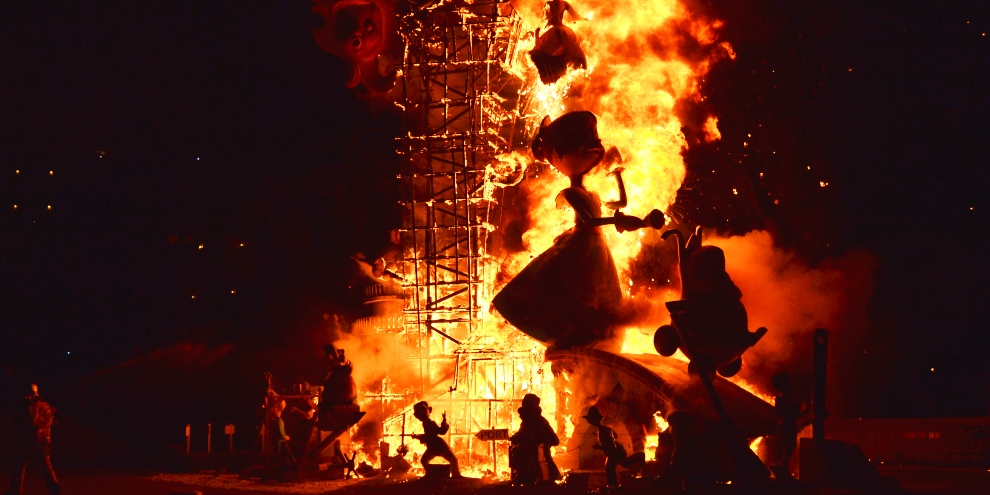
The month of June is dominated by the biggest party of the year in Xàbia – the Fogueres de Sant Joan – in which the whole village comes out to celebrate midsummer. The festivities usually begin on the first weekend in the month with the emotional coronation of the Fogueres Queen and the presentation of the Quintà, the young people coming of age during the year who will be the main protagonists of the fiesta.
The party proper normally kicks off on June 13th with the official pregón and from then on, it’s a packed programme of bull-running, live music, discos, shows, parades, flower offerings, sports, competition before the famous ‘Nit dels Focs’ – the ‘Night of Fires’ – on June 23rd and the final emotional day on June 24th, the feast day of San Juan/Sant Joan and a LOCAL HOLIDAY in Xàbia, when there will be a special mass, a deafening ‘mascletà’, a float parade, the legendary firework display set to music, all culminating in the tear-jerking burning of the statues.
JULY 2025
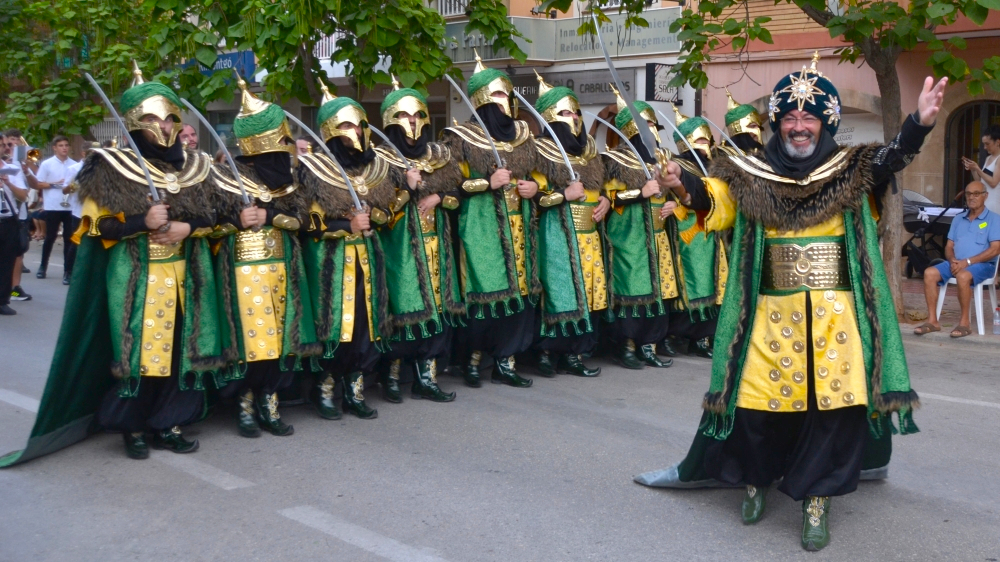
In July, the fiesta action moves down to the coast with the spectacular festivities of the Moors and Christians. For a week, the streets of the port will be filled with colourful costumes and deafening gunfire as the festeros remind us not only of the re-conquest of Spain from Muslim rule but also the daily struggle against pirates from North Africa which plagued this part of the Spanish coast right up until the 18th century.
The Virgen del Carmen, another invocation of the Virgin Mary, is the patron saint of the sea, and particular of the Spanish Navy and her feast day is celebrated on July 16th which a modest celebration in the port zone of Xàbia during which a flotilla of boats leaves the harbour to make a offering of flowers, honouring not only the patron saints, but also those who have lost their lives at sea.
AUGUST 2025
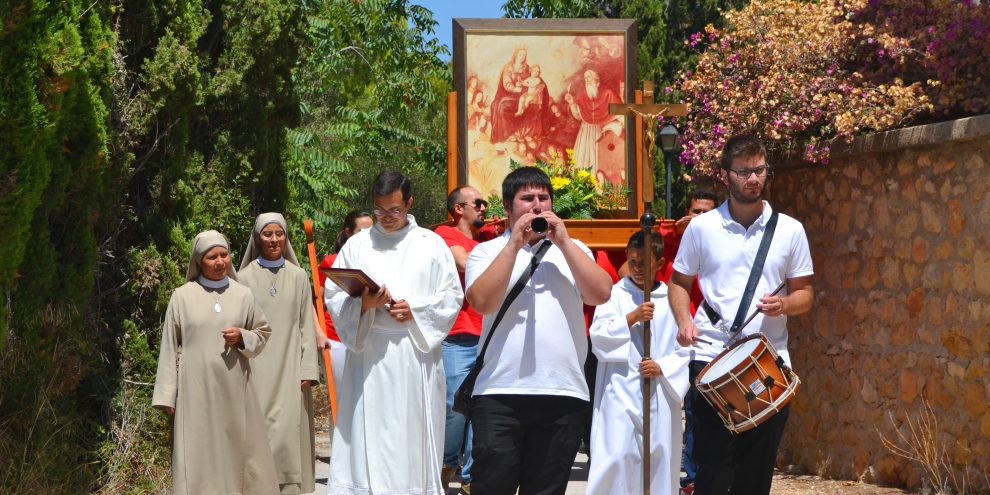
The fiestas in honour of the Virgen de los Ángeles are modest celebrations that are also known as the ‘fiestas of La Plana’ since they are centred around the sanctuary of Mare de Déu dels Àngels on La Plana. The fiestas include traditional music and dancing, community dinners and dancing to a band or disco until the early hours.
August 15 is a national holiday in Spain marking ‘La Asunción’ and is one of the Catholic Church’s ‘holy days of obligation’ when the faithful are expected to attend mass. However, over the years, the religious character of ‘15 de agosto’ has been lost and to many Spaniards it marks the start of their holidays.
This is a national holiday, known as a RED DAY, and most shops and businesses will be closed.
SEPTEMBER 2025

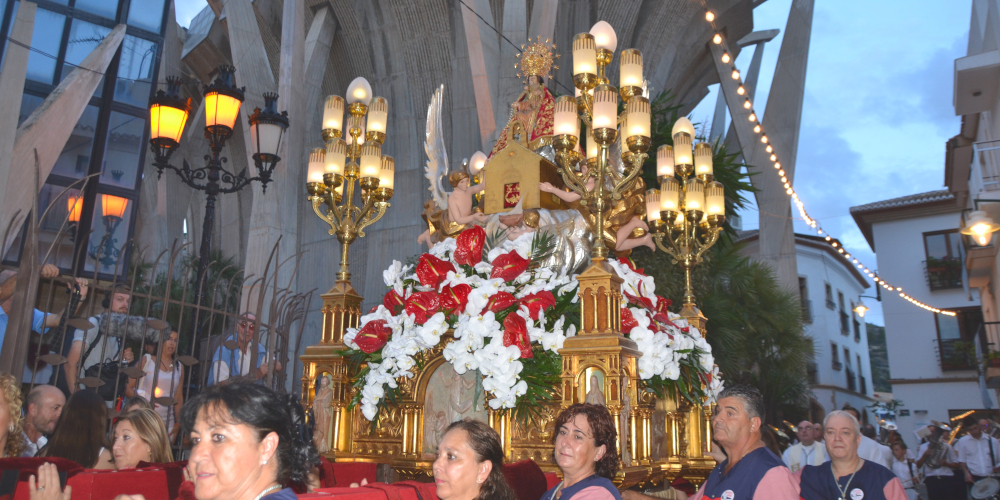
24 August – 8 September 2025
FESTES EN HONOR A LA VIRGEN DEL LORETO · The Port Fiesta
Although the festivities start at the tail end of August, the main celebrations claim the first week of September with the feast day of the patron saint falling on September 8th when there is the great aquatic firework display. If the Fogueres de Sant Joan in June kicks off the summer season then these celebrations brings it to a close. The children return to school and the beaches become noticeably less crowded. During this special fiesta, there is the bull-running on the very edge of the harbour, parades, live music, discos, solemn parades and, of course, the grand firework display.
OCTOBER 2025
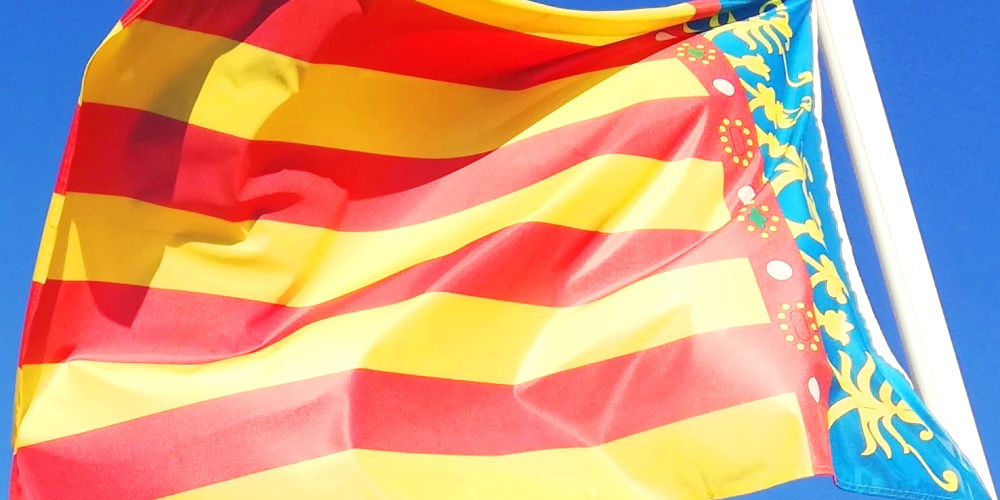
October 9th is the ‘Día de la Comunidad Valenciana’ and the date commemorates the entrance into the city of Valencia by Jaime I in 1238. In Xàbia the day is marked by the traditional prize-giving by the Ayuntamiento de Xàbia, the Premis 9 d’Octubre Vila de Xàbia awarded for solidarity and civic values in a very formal ceremony inside the council chambers.
This is a regional holiday and most shops and businesses will be closed.
Most shops and businesses will be closed. There’s plenty of excitement in the capital Madrid though where Spain’s military might parades through the streets (it’s broadcast live on national TV) and in Zaragoza where ‘Las Fiestas del Pilar’ are celebrated with a ten-day festival. In Xàbia, however, the day passes as just another day off.
This is a national holiday, known as a RED DAY, and most shops and businesses will be closed.
HALLOWEEN
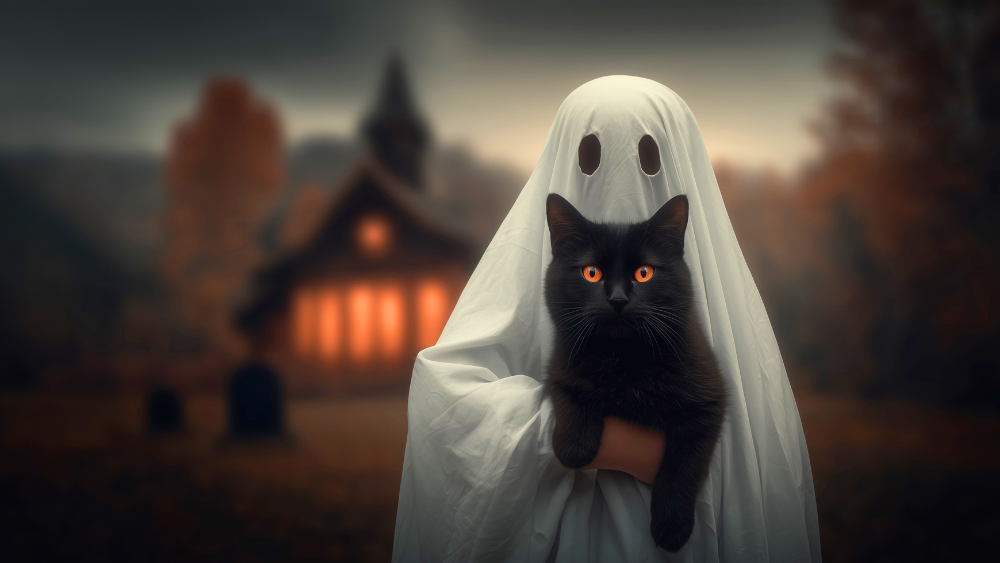
Halloween in Spain: Tradition Meets Transformation
When the autumn air turns crisp and the scent of roasted chestnuts fills Spanish streets, a curious blend of ancient ritual and modern revelry awakens. In Spain, Halloween is no longer just an imported American affair, it’s a patchwork of haunting folklore, sacred remembrance, and pumpkin-fueled fun that’s growing eerily fast. Halloween – La Noche de Halloween – has crept into Spain’s cultural calendar with growing enthusiasm. What began as a novelty in big cities like Madrid and Barcelona now spreads across small towns: children in ghostly costumes knocking on doors, bars hosting “fiestas de disfraces,” and even theme parks turning into horror zones.
The Bubota: Spain’s Ghostly Secret in the Shadows of Valencia and Mallorca
When night falls over Valencia’s narrow medieval streets, locals still whisper about the bubota, a ghostly presence said to drift silently through crossroads, cemeteries, and abandoned houses. To some, it’s little more than an old folk tale. To others, it’s the echo of a centuries-old fear that refuses to fade. Long before Halloween pumpkins arrived from America, the people of the Mediterranean had their own way of conjuring ghosts. In the Balearic Islands and across Valencia, the bubota (sometimes called bubotes, mumerota, or mumorota) has haunted stories told at kitchen tables for generations.
NOVEMBER 2025
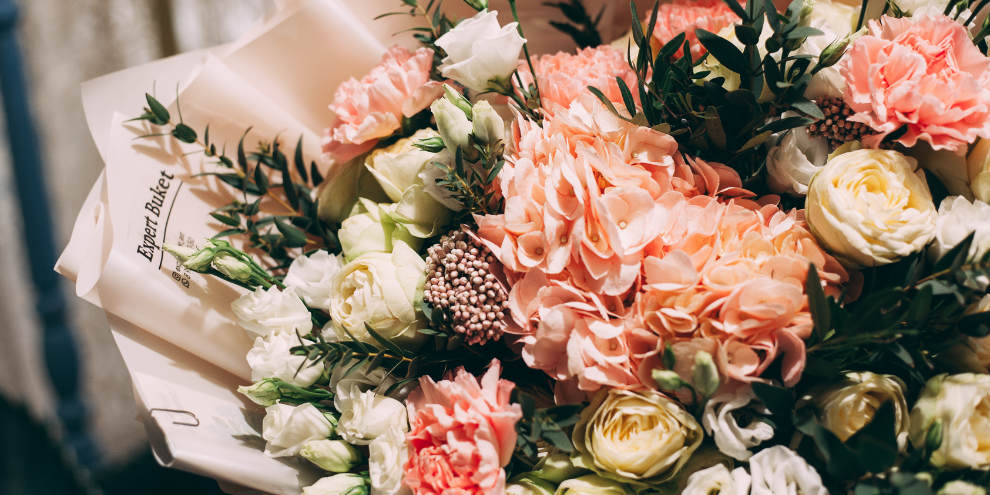
November 1st – All Saint’s Day – is a very important national holiday in Spain as it is a commemoration of the dead when Spanish families head to the cemeteries to clean and place flowers on tombs of deceased relatives as a reminder that they may have passed but they have not been forgotten.
This is a national holiday, known as a RED DAY, and most shops and businesses will be closed.
DECEMBER 2025
December 6 · Spain Reborn: The 1978 Constitution & the Dawn of Democracy
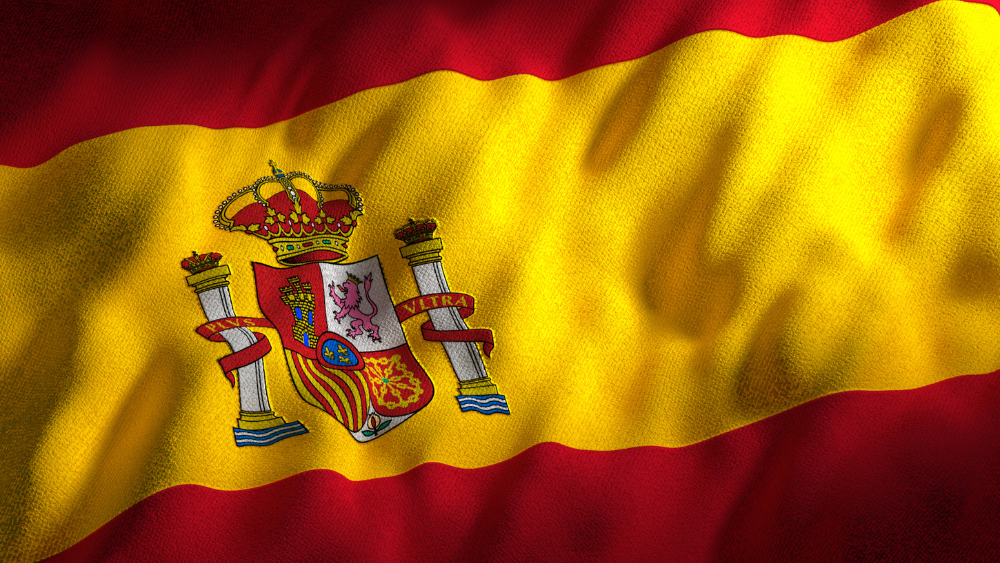
In December 1978, Spain took a decisive step into democracy. After nearly four decades under General Francisco Franco’s dictatorship, Spaniards voted overwhelmingly in favor of a new constitution, a document that would reshape the nation’s political, social, and cultural identity. This was not Spain’s first attempt at constitutional rule but its eighth constitution since the liberal charter of 1812. Yet unlike its predecessors, the Spanish Constitution of 1978 would prove enduring, marking the culmination of La Transición, a period of cautious reform, compromise, and hope that transformed Spain from an authoritarian regime into a modern constitutional monarchy.
December 8 · Immaculate Conception: Ushering in Spain’s Holiday Season
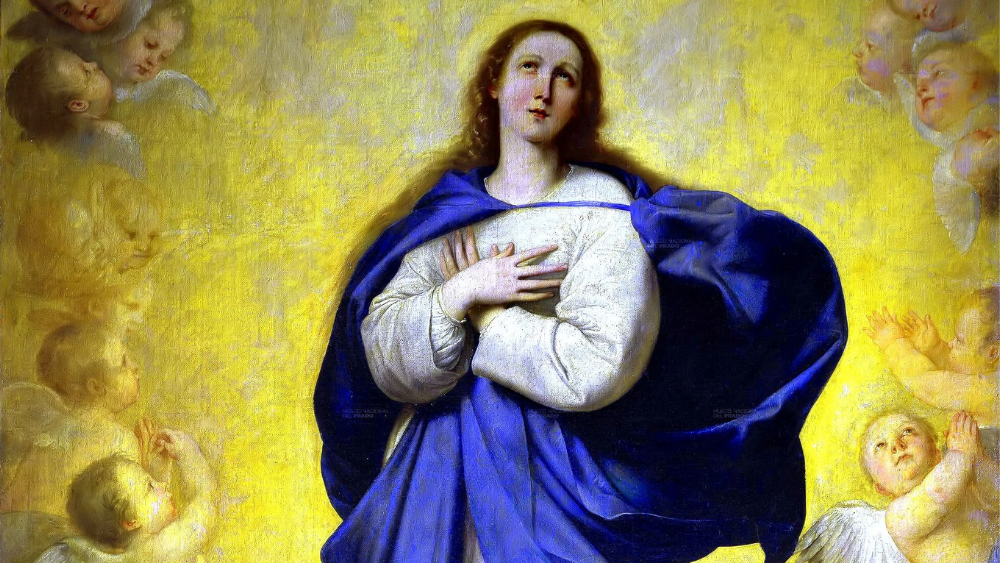
Every December 8th, Spain pauses to celebrate the Feast of the Immaculate Conception, a day that intertwines deep Catholic devotion with centuries-old regional traditions. More than just a religious observance, it’s a cultural touchstone marking the official start of the Spanish Christmas season. The date is symbolic: nine months before September 8th, the traditional day of Mary’s birth. This alignment highlights the theological idea that Mary’s life was divinely prepared from the very beginning. It’s a neat celestial calendar trick that merges faith and tradition seamlessly.
December 13 · Santa Llúcia – A Hilltop Pilgrimage of Light and Hope
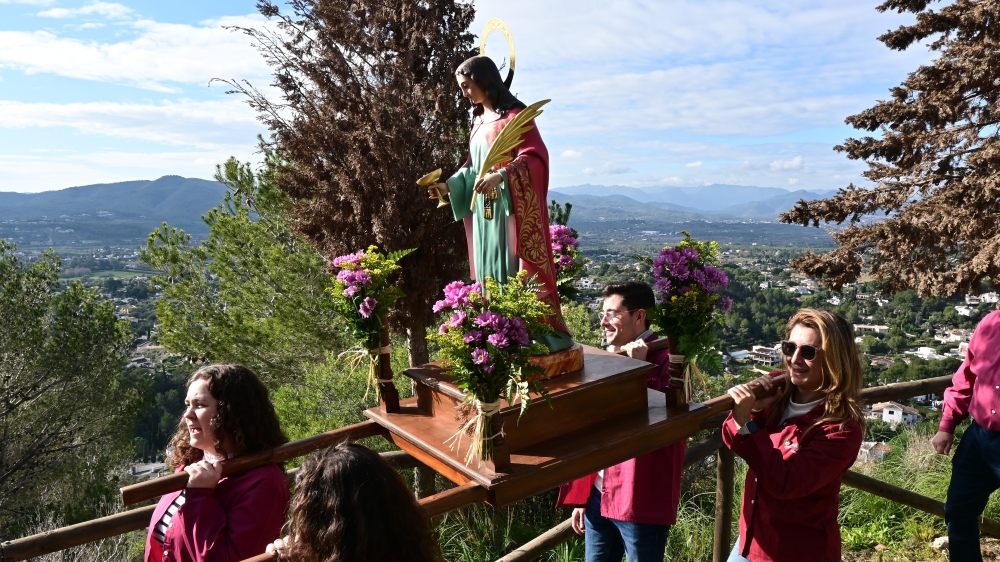
Twelve days before Christmas, Jávea’s quiet turn toward the festive season begins with the modest fiesta of Santa Llúcia on December 13. Often overlooked by many – especially when it falls on a working day and shops are open and children are at school – the celebration still holds deep meaning for a small, dedicated circle. For those families whose children suffer eye problems, the day is particularly poignant: they climb to the hilltop to honour the patron saint of the blind and to hold on to hope for recovery.
A day for families to come together and have lunch so most bars and restaurants – those who decide to open – may well be fully booked. Present giving is not as common as other countries but the commercialization of Christmas is ever creeping into Spanish society so the exchange of gifts – which would normally take place when the Three Kings arrive – is possible.
This is a national holiday, known as a RED DAY, and most shops and businesses will be closed.
FIESTAS – THE PERFECT WAY TO INTEGRATE
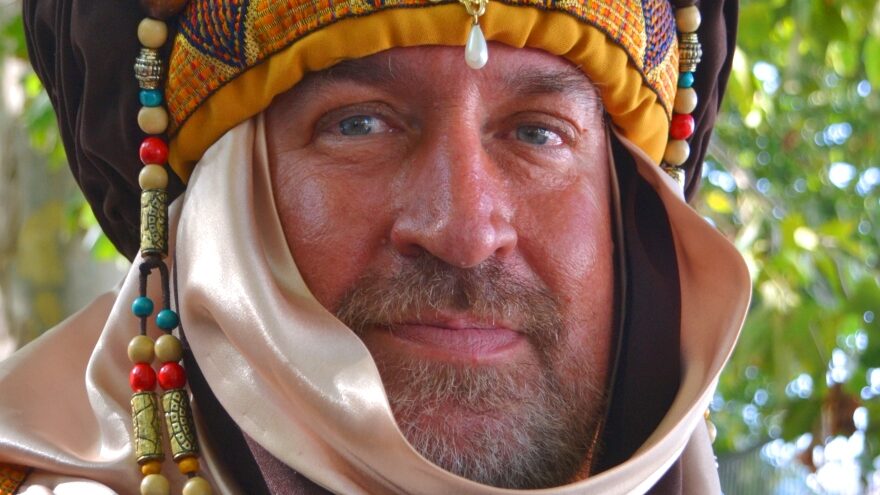
Becoming a Moor
The huge bass drum pulsates through my body as we move forward slowly along the road, a cymbal crashing violently on every step. Either side of us the street is lined with people, some cheering, some applauding, some even bemused by it all. But everyone is smiling. I pick out familiar faces in the crowd. Their curious expressions turn into sudden realisation as they recognise me. They wave, they call out, there’s the occasional choice word. But all I can do is smile and give them a wink in return.
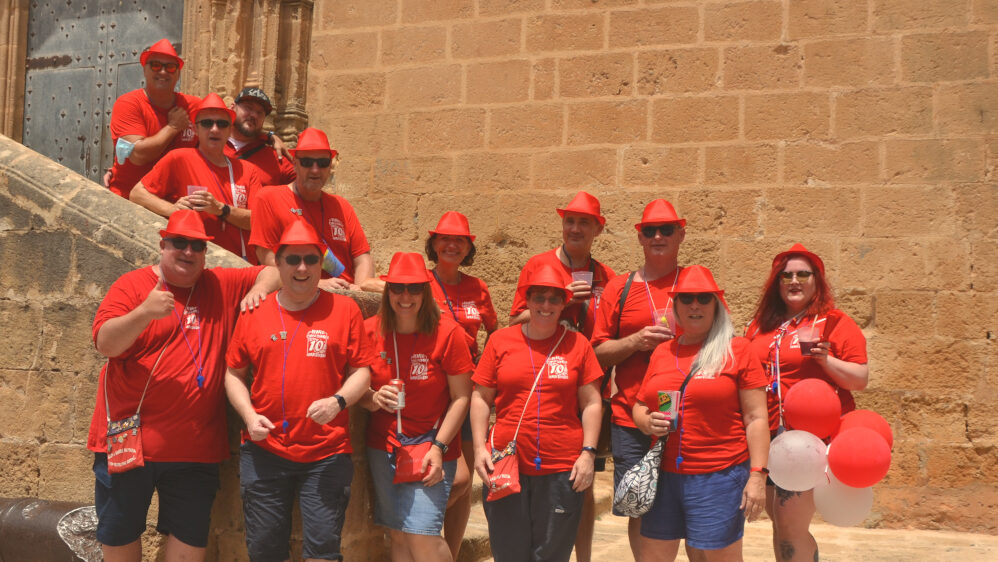
Ten Years A Prawn
We came to Xàbia keen to discover as much as possible about the town that would become our new home. And we were eager to delve into the world of the ubiquitous Spanish fiesta, something so alien to us but so essential to the identity of a nation which simply wouldn’t be what it is without it. There are over 15,000 fiestas throughout Spain and it is said that even if you attempted to experience one a day, you’d be hard pressed to see them all in your lifetime. However it would be nice to give it a try.
“And it is significant that a country as sorrowful as ours should have so many and such joyous fiestas. Their frequency, their brilliance and excitement, the enthusiasm with which we take part, all suggest that without them we would explode.”
OCTAVIO PAZ (1914-1998)
Author