

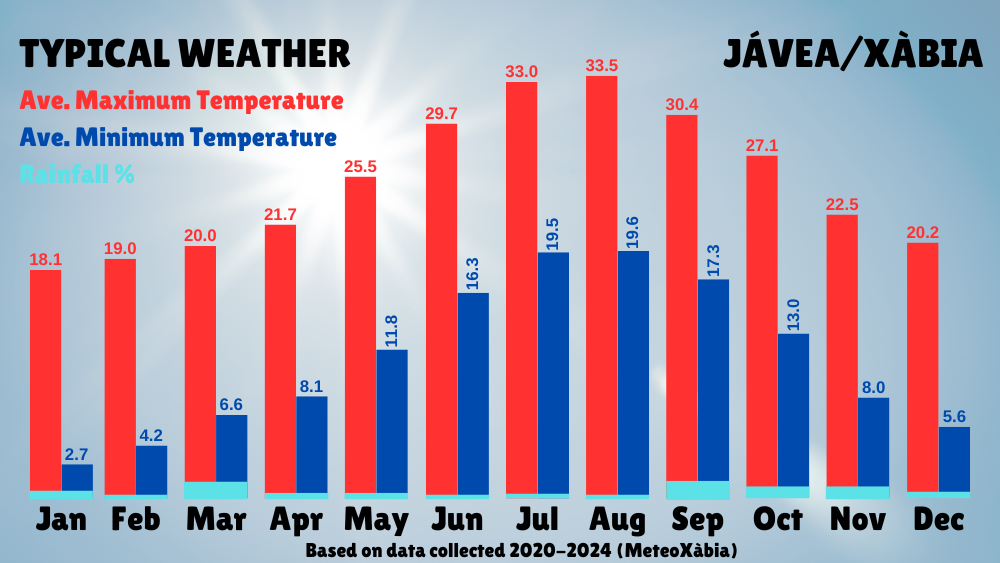
JÁVEA / XÀBIA WEATHER
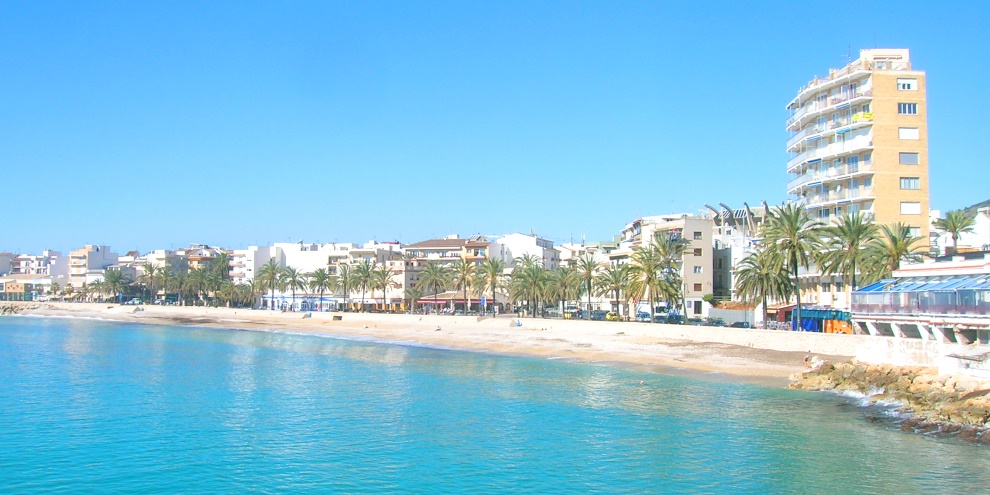
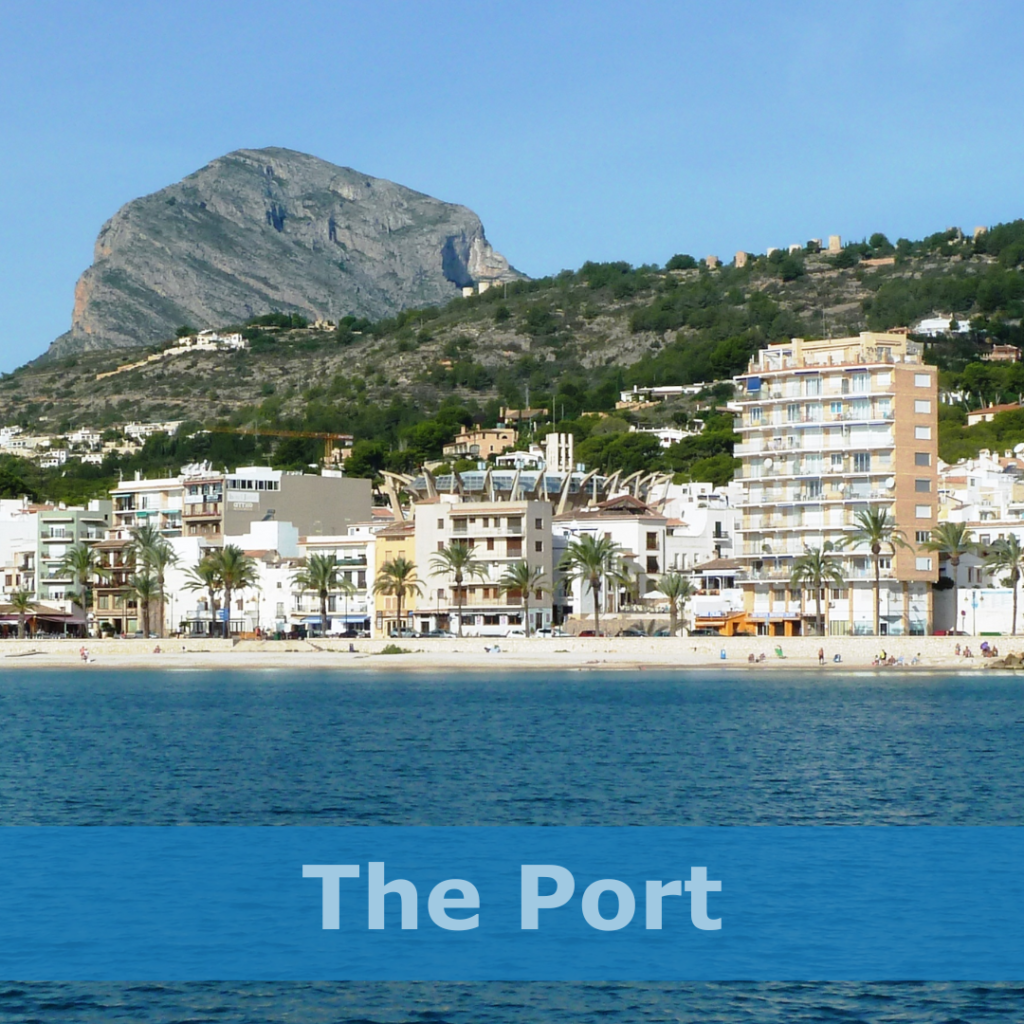
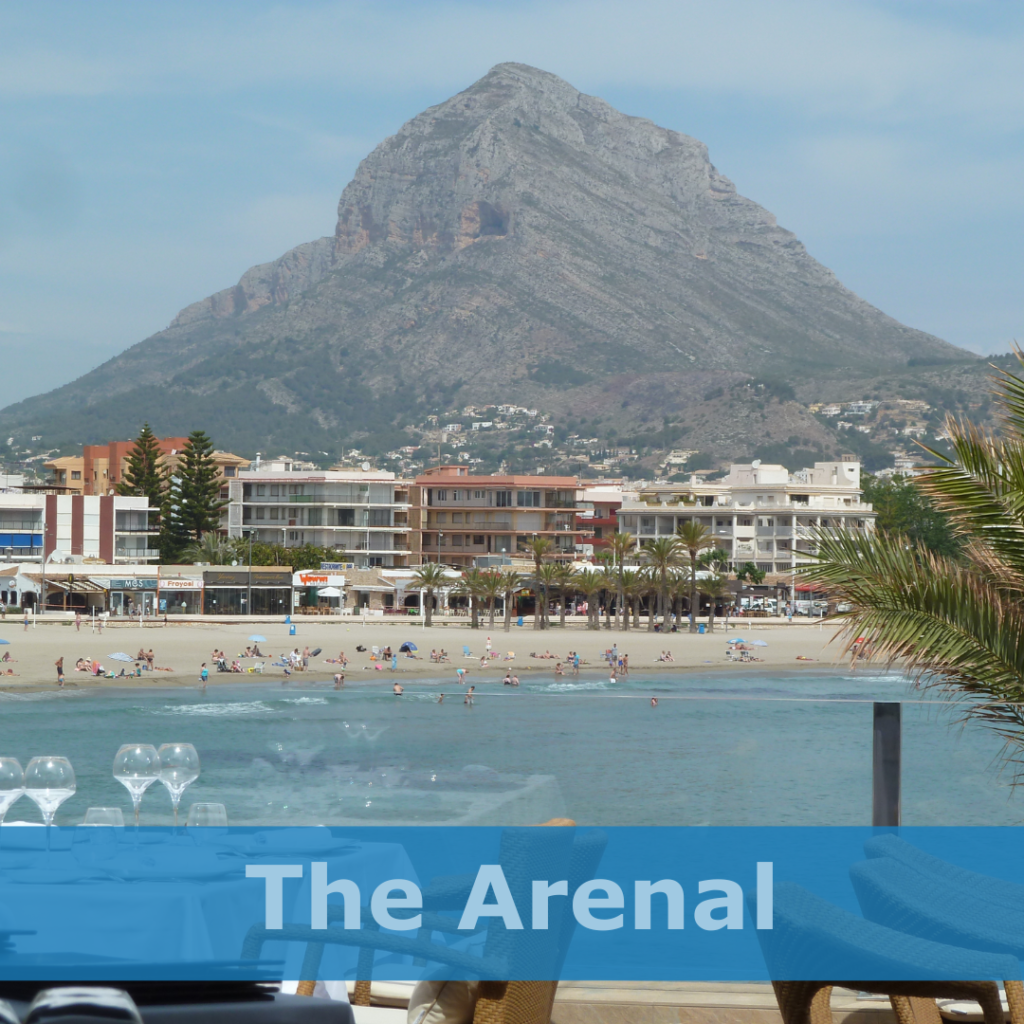
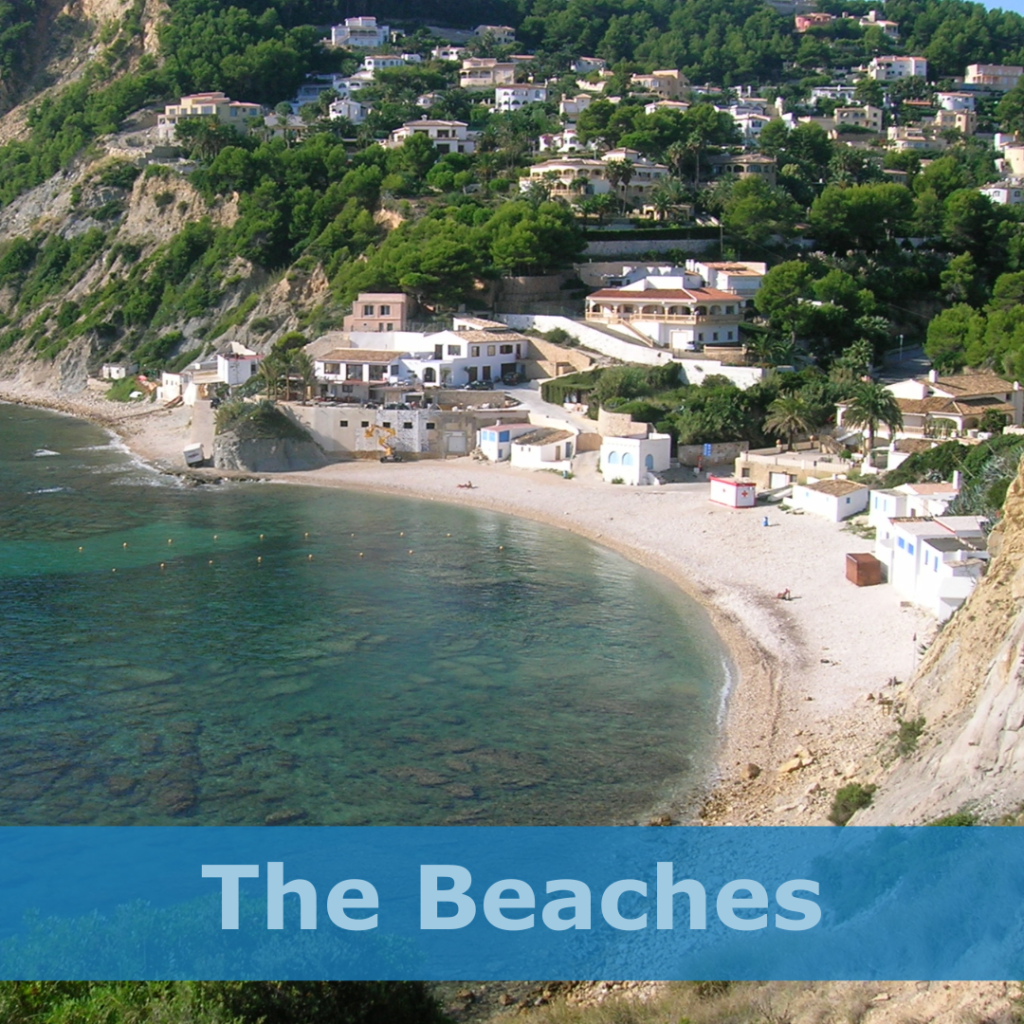
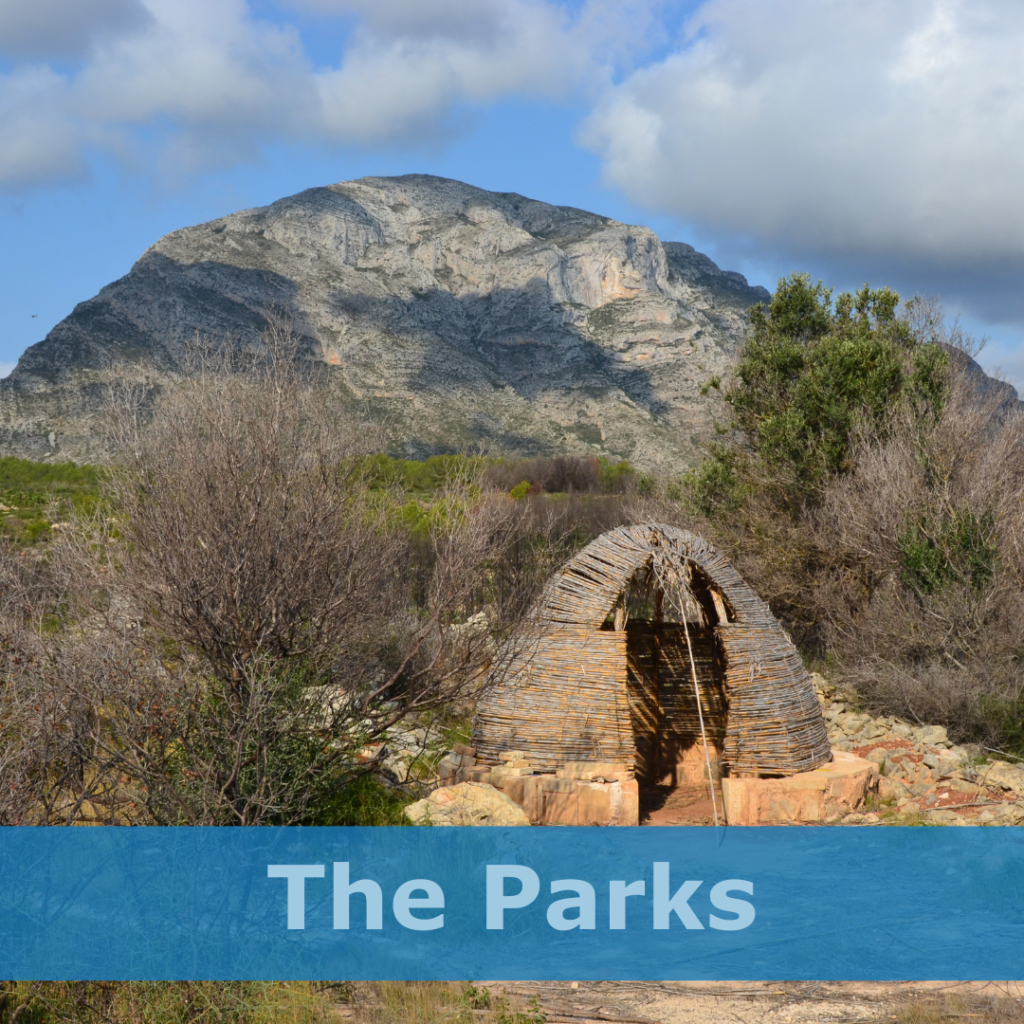
Jávea (Xàbia in Valenciano) has long been considered one of the jewels of the Costa Blanca, an oasis of natural beauty set along some 25 kilometres of stunning coastline and nestling below the awesome hulk of the mountain of El Montgó, more than 750m high and protecting the town from the fierce northerly winds of winter. The UN’s World Health Organisation once declared that Javea’s micro-climate could be considered near-perfect and thus one of the healthiest in the world. Average daily highs hover around the 30°c during July and August and rarely drop below 16°c in the winter whilst the town basks in an average of 320 days of sunshine per annum – perfect for a holiday whatever the time of year. And boasting a history stretching back many thousands of years, Jávea offers something for everyone.



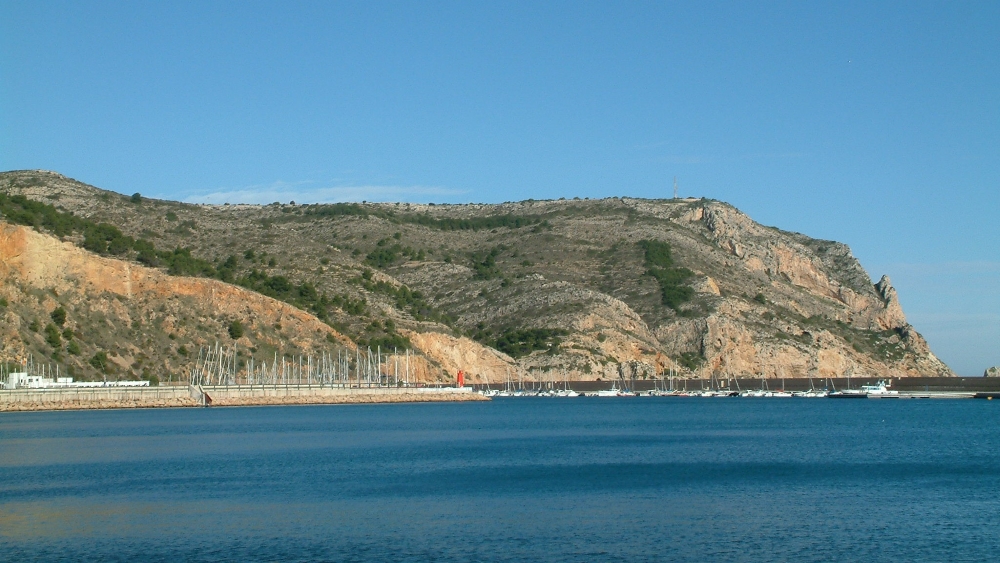
Cabo de San Antonio: Where History Meets Spectacular Views
Sitting at the eastern end of the Parque Natural del Macizo del Montgó and jutting out into the Mediterranean, Cabo de San Antonio – also known in Valencian as Cap de Sant Antoni – offers some of the most breathtaking coastal views along the coast of Valencia. Beyond the scenery, this spot is also steeped in fascinating history. The headland is easy to reach, drivers can follow the CV-7362 from the Xàbia-Dénia road, while those with a little more energy can hike up from the port area along the PR-CV 355 path, a climb of just over a couple of kilometres that rewards every step with sweeping views over the bay.
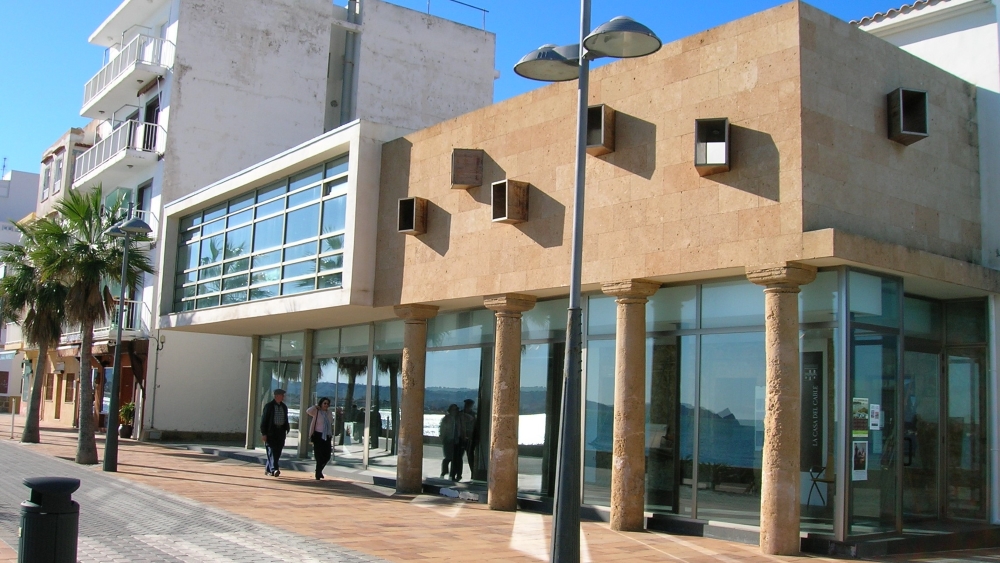
From Jávea to Ibiza: The Cable That Connected a Nation
Set along the seafront in Jávea’s port zone, the Casa del Cable is a building that quietly bridges centuries of change. Once the nerve centre of Spain’s first submarine telegraph connection, it played a pivotal role in linking the country to the wider world. Though largely rebuilt in a sleek, modern style, the structure retains key historic features that nod to its illustrious past. Today, it serves as a contemporary exhibition hall, welcoming visitors into a space where art and memory converge, and where the spirit of innovation still lingers in the walls.
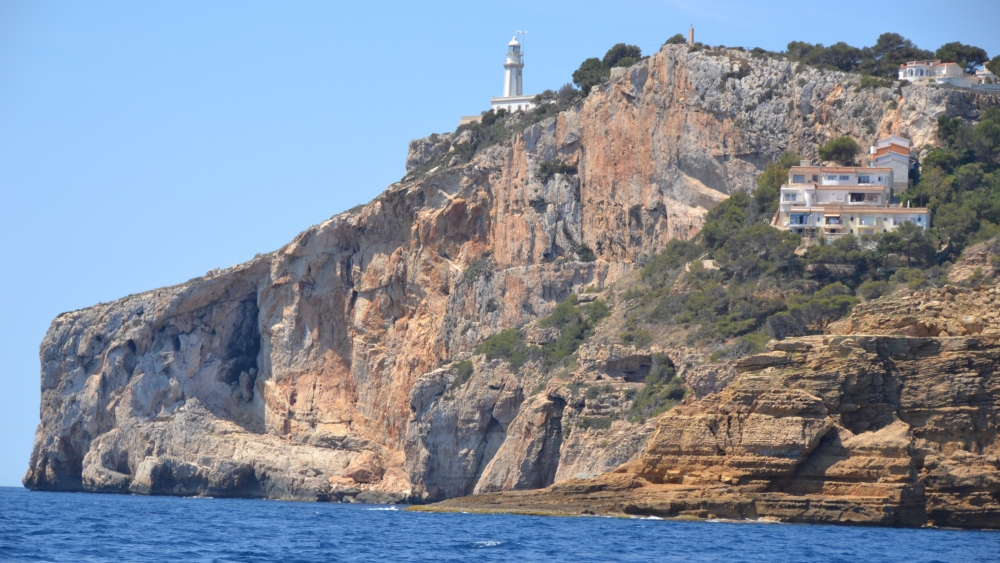
Cabo de la Nao: The Edge of Spain
At the far eastern edge of Spain, where the land finally yields to the immensity of the Mediterranean, a pale limestone promontory juts boldly into the blue. Cabo de la Nao is no gentle shoreline. It’s a place of reckoning, where rock meets sea in a clash of elements, and time seems to pause in the salt-laced air. This dramatic headland, carved by centuries of wind and wave, anchors one of the most iconic viewpoints in the Marina Alta. Nearby stands the Cabo de la Nao lighthouse, a sentinel since 1928, whose beam still guides vessels through these storied waters whilst below the cliffs, hidden from casual view, lies the Cova dels Orguens, a vast sea cave whispered about in local lore and admired by divers for its cathedral-like interior.
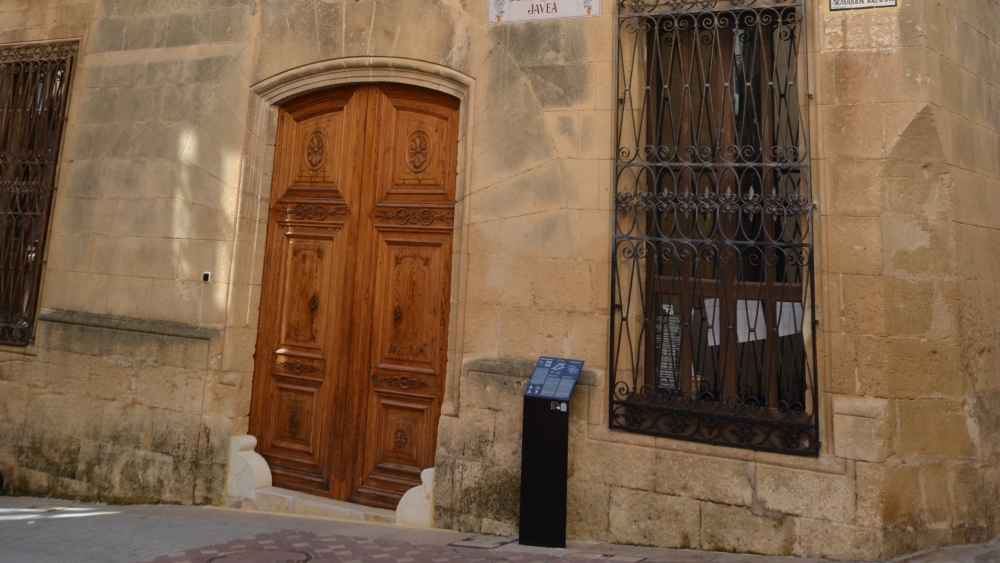
A King’s Fault, A Steward’s Palace: The Noble Origins of a Museum
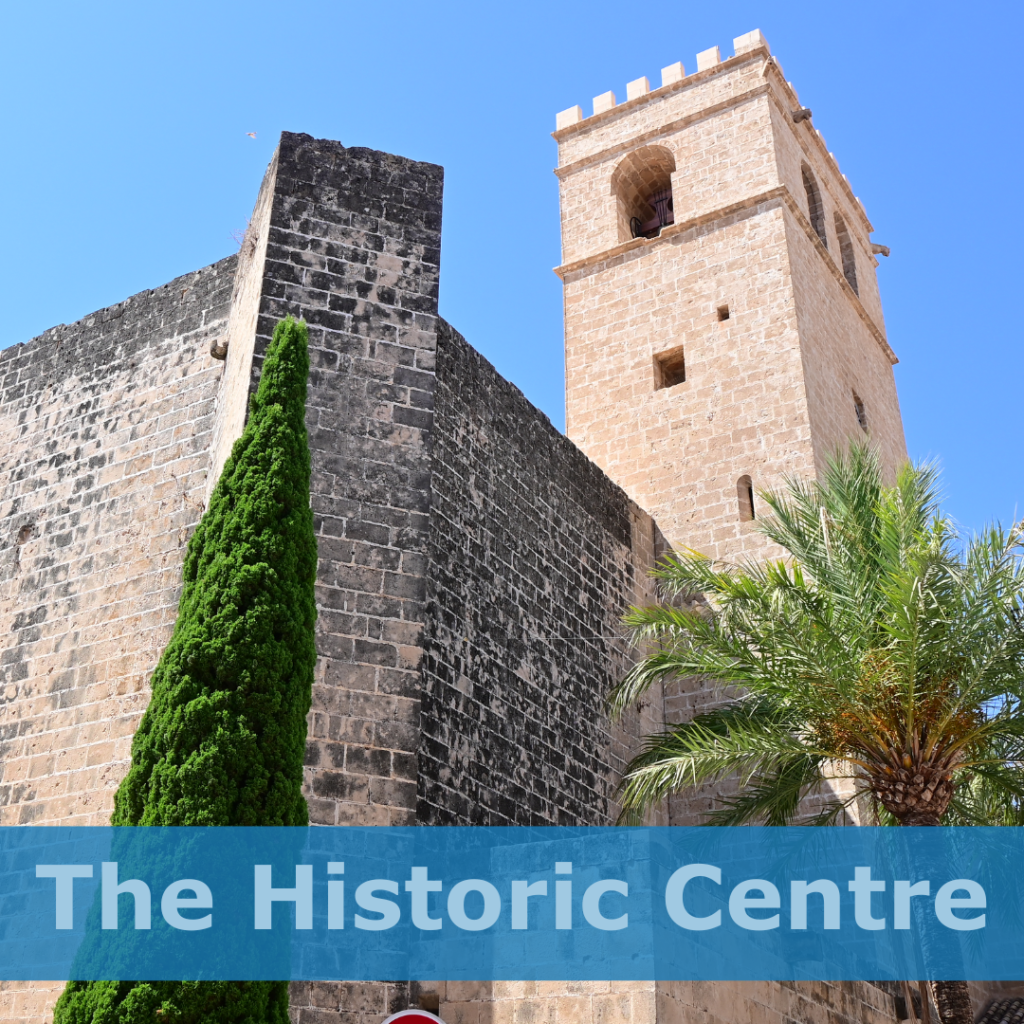
In the heart of Xàbia’s historic centre stands one of the town’s most iconic architectural treasures: the stately building that today houses the Municipal Archaeological and Ethnographic Museum “Soler Blasco.” Its thick stone walls and elegant Renaissance façade whisper of a time long before its current role as guardian of local heritage. In the early 17th century, this edifice was not a museum but a noble residence, one of the most distinguished palaces in the town. It belonged to Antoni Banyuls, a man of considerable stature who served as butler to Spanish monarchs Felipe III and Felipe IV.
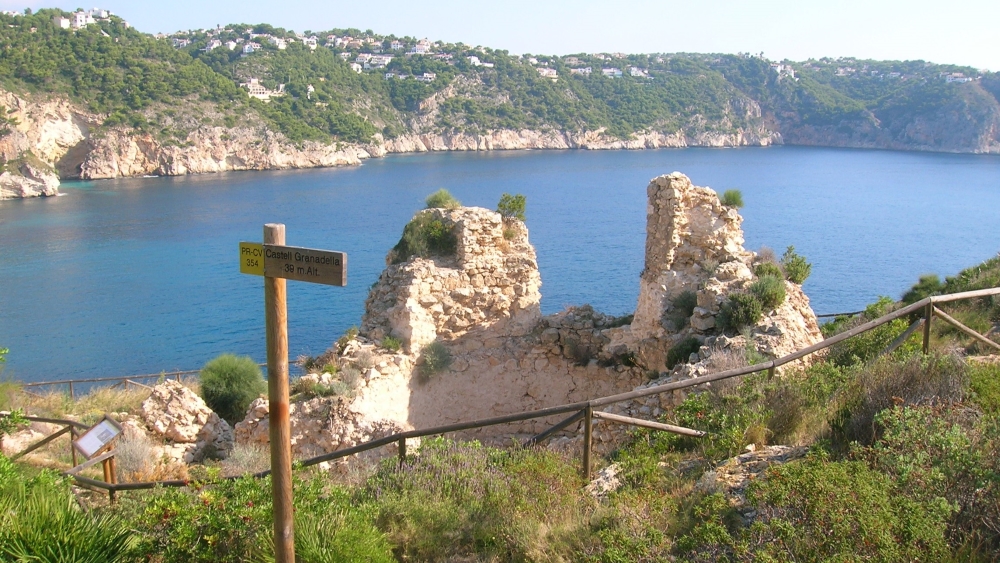
Beyond the Beach: Discovering the Castell de la Granadella
Castell de la Granadella occupies a strategic headland on Xàbia’s southern coast. Constructed in the early 18th century as a small coastal battery against Barbary piracy, the ruins speak of a long-gone fortification that exemplified austere military architecture: compact accommodation for a handful of soldiers, embrasures for observation and small-calibre guns, and a vaulted cistern to supply water. Although modest in scale, the site was an integral node in the Valencian coastal network of watchtowers and remains an important physical record of coastal defence strategies and daily life at sea’s edge.
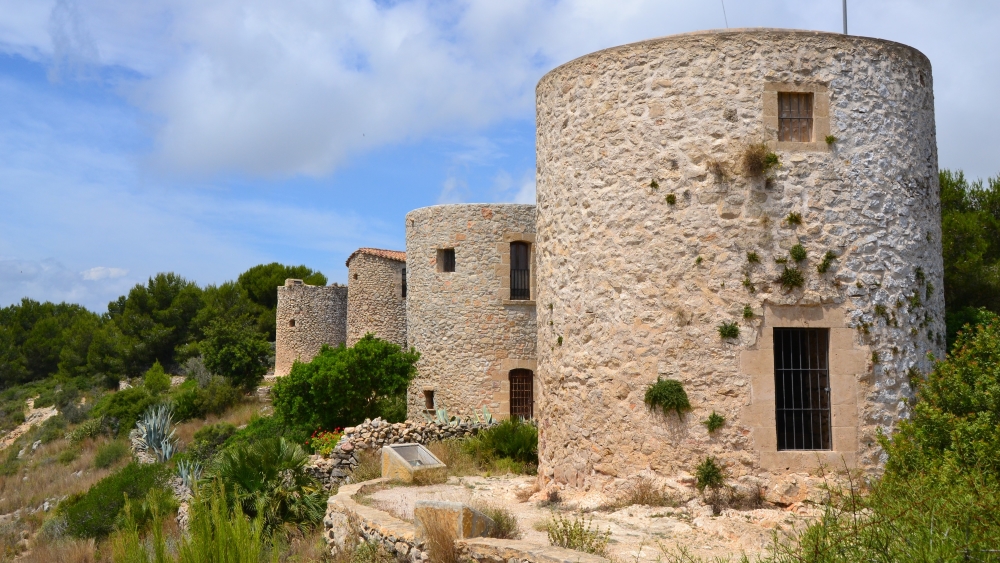
The View from La Plana: A Walk Among the Windmills
Perched on the edge of the high plateau of La Plana overlooking the valley, the clustered cylinders of Los Molinos de la Plana are considered as the largest set of flour mills in the Comunidad Valenciana, quite unique in the territory. They are not the remains of watchtowers, as some have considered in recent times, but rather they were built here to take advantage of the prevailing south-westerly – the llebeig – which blows almost constantly across the plateau, containing huge millstones rather than cannon or rifle. Today they are a popular stop on La Ruta de los Miradores de Xàbia, a collection of stunning viewpoints positioned along the coast.
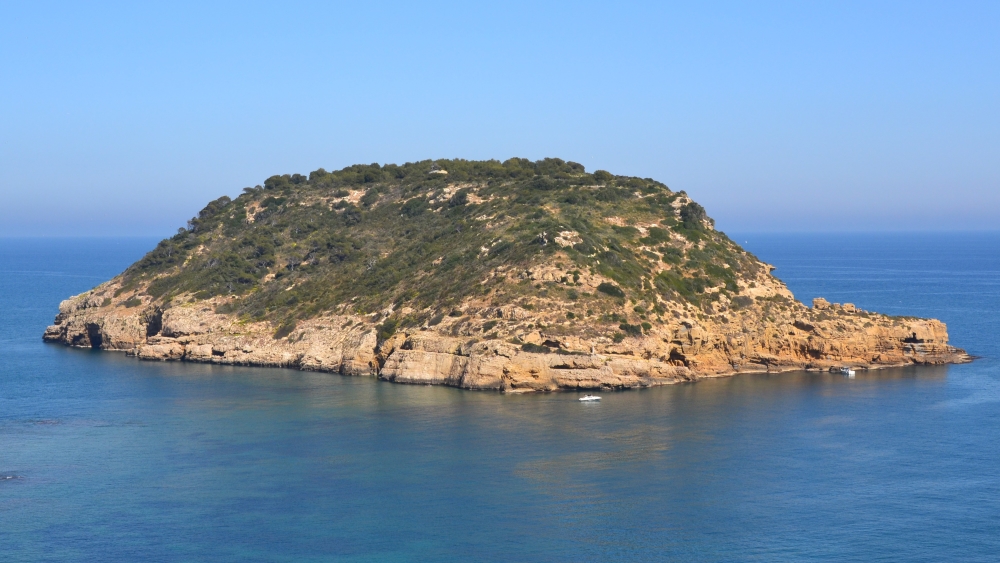
Portitxol: Jávea’s Hidden Island of History
Rising like a quiet guardian from the sparkling waters of the Costa Blanca, the Isla del Portitxol seems to exist in two worlds at once, one bathed in Mediterranean sunlight and another steeped in ancient mystery. To today’s beach-lovers and influencers, it’s a perfect backdrop of turquoise waters and rugged cliffs. Yet long before the age of social media, this little island was already drawing admirers from across the continent for more than two millennia.
“Happiness consists of living each day as if it were the first day of your honeymoon and the last day of your vacation.”
LEO TOLSTOY (1828-1910)