
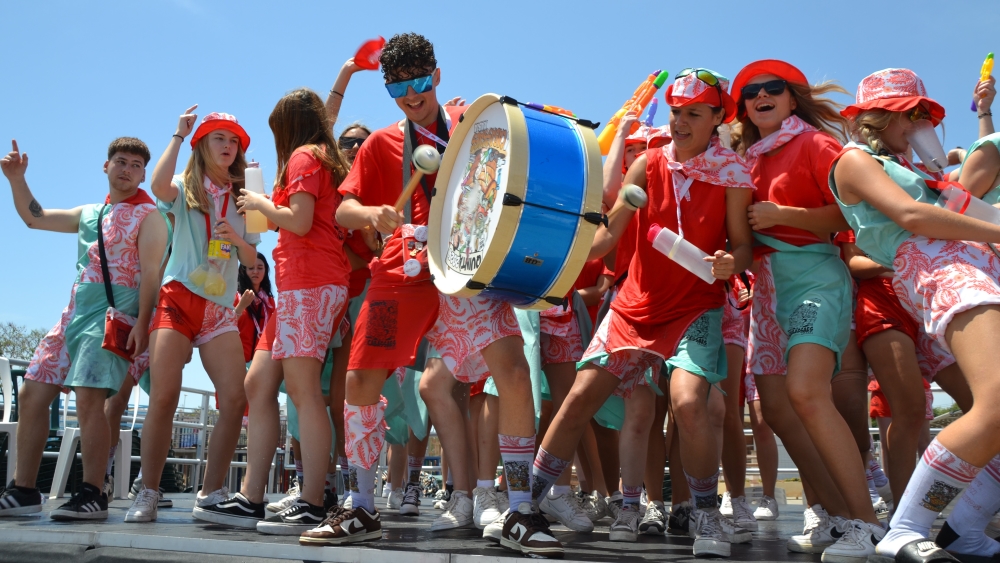
During the Fogueres de Sant Joan, there are two sets of festeros who will enjoy the festivities to the full – the QUINTÀ and the PEÑAS – always dressed in their colourful shirts and shorts, always prepared to party as if their lives depended on it. But who are they?
THE QUINTÀ
Taking centre stage during the Fogueres de Sant Joan is the QUINTÀ, a group of young people who celebrate their coming of age during the year.
The tradition has its origins in the 19th century when young men who had reached 20 years old, the age of eligibility for compulsory military service, were called on to serve in the armed forces. Conscription very much depended on the demand for soldiers at the time but it was normal that every fifth man was called up, hence the name for this conscription: “quinta”.
Particularly in rural Spain, these young men held a communal meal from food that they had collected from their family and neighbours, often painting a special message as a memorial of their leaving youth and progressing into adulthood. As the years passed, the quintos would hold annual dinners as reunions to remember times past.
As social customs changed, the tradition began to include girls of the same age and became less directly relevant to military service. (Conscription ended in Spain in May 2001.) These days, for youngsters living in Jávea, it signifies their effective passage into adulthood.
So who are they?
With the ashes of the previous celebrations barely cleared away, the town hall sends out invitations to young people registered on the Padrón who will be turning 18 the following year, inviting them to form that year’s Quintà. Not everyone accepts for it is an expensive obligation – for the girls, the dress alone can cost up to 2,000 euros and, if not passed down by the family, they often have several of them – but a fair proportion of those invited find the money to become part of the year’s special group for it is a real honour to represent the town as the quintà. And it’s not just the native Xabieros who are invited; in recent years, foreign residents have taken part including British and Dutch youngsters.
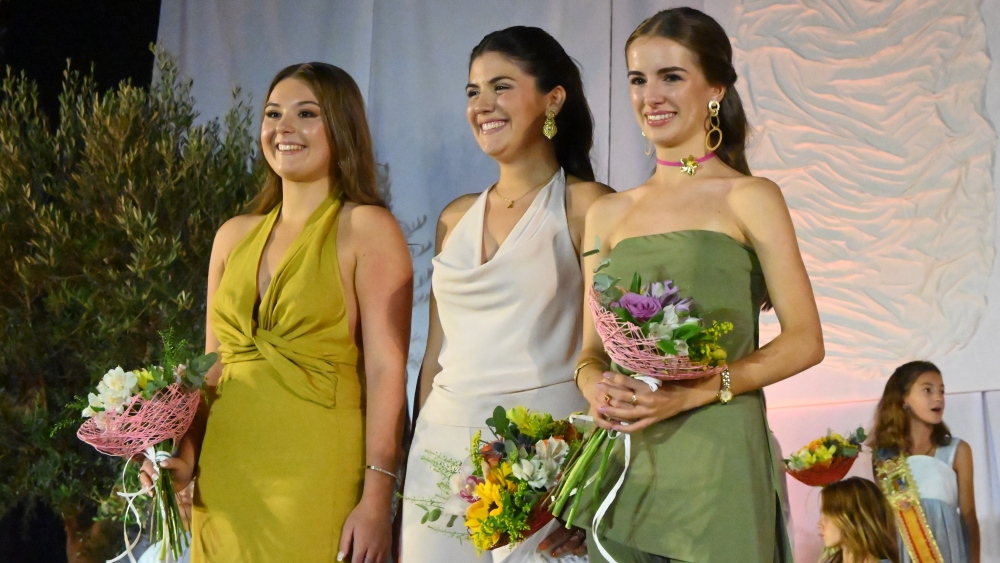
The town is introduced to the new Quintà in a special ceremony during which the members of the group elects its two presidents – one boy and one girl – and the Reinas de les Fogueres, the Queen and her ladies-in-waiting. And thus, a life-long social association begins.
A few weeks before Sant Joan kicks off in mid-June, there is a formal gala dinner for the quintà and their family and friends. The Fogueres queen and her ladies-in-waiting of the previous year also attend and are thanked for their contribution and representation of the town before formally handing over the reins at a special and emotional ceremony a week before the main festivities begin known as the Proclamación.
The quintà has great responsibility for they are charged with organising and participating in the Three Kings and Carnaval parades in that year.
Día de les Quintades
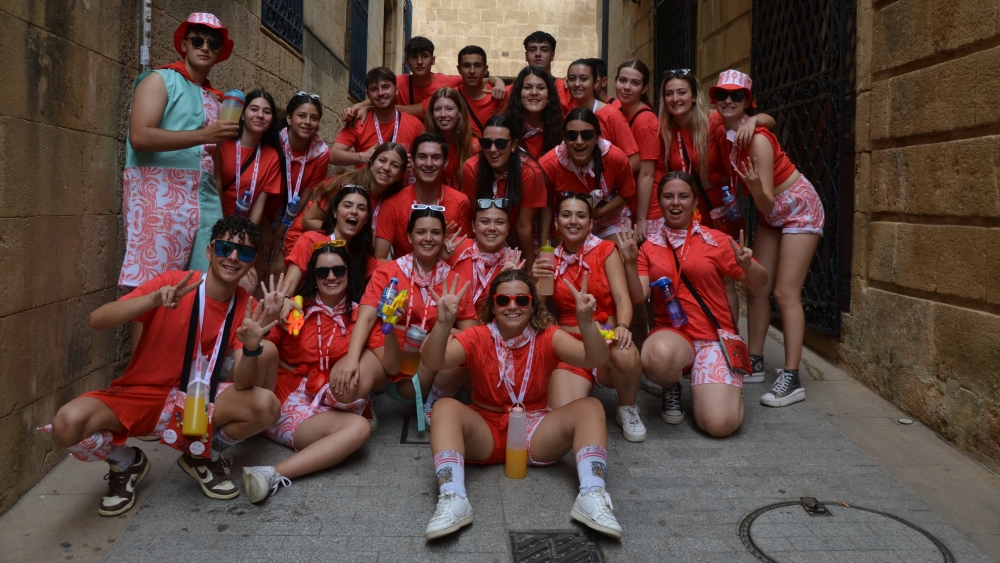
Some years ago, when we were holidaying in Jávea during the Sant Joan celebrations, we visited the tourist office and were told that the ‘quintàs parade’ was really not of any interest to tourists and that we shouldn’t bother; we’re very glad that we ignored their advice and discovered an amazing evening of extreme partying.
The ‘Día de les Quintades‘ normally begins early with the ‘despertà’, the noisy early morning wake-up call with music and thunderous firecrackers that rouses the willing – and the unwilling – from their slumbers and it is traditional for the ‘quintà‘ celebrating its 25th anniversary to take part in the occasion.
Many of the groups meet early for a special ‘almuerzo’ together at one of the local bars in the old town whilst the Fogueres Commission often offers a special BBQ brunch at the bull arena in Avenida Palmela. As the hot sun climbs into a blue sky (it’s always been sunny of this day), the noise also increases as the groups leave their tables and many are accompanied by a fiesta band that they have hired for the day, playing fiesta favourites as the air is filled with happy songs, the voices fuelled by a few late morning shots.
Quite often, they gather together for a short parade through the streets to the bull arena for some pre-lunch fun and games. Some years ago, this parade was an enormous affair which took place in the early evening. Recently, it has been stripped down to the late morning procession and in 2024 it was abandoned altogether, only to return (by popular demand) the following year, albeit as a shortened version. (Despite the absence of an official parade in 2024, many of the younger festeros still managed to organise themselves into a modest parade down to the arena).
At the bull arena, there is no bull-running. But the famous Baret dels Bous will be extremely busy as the different groups emerge from different directions. Those wiser heads will seek the shade first and foremost for the sun will be beating down relentlessly; some even take shelter inside the bull cages. Beer and wine flows readily; there is a constant supply as the bar staff work tirelessly, some of whom have been hired externally so that some members of the Commission can enjoy the day with their own group.
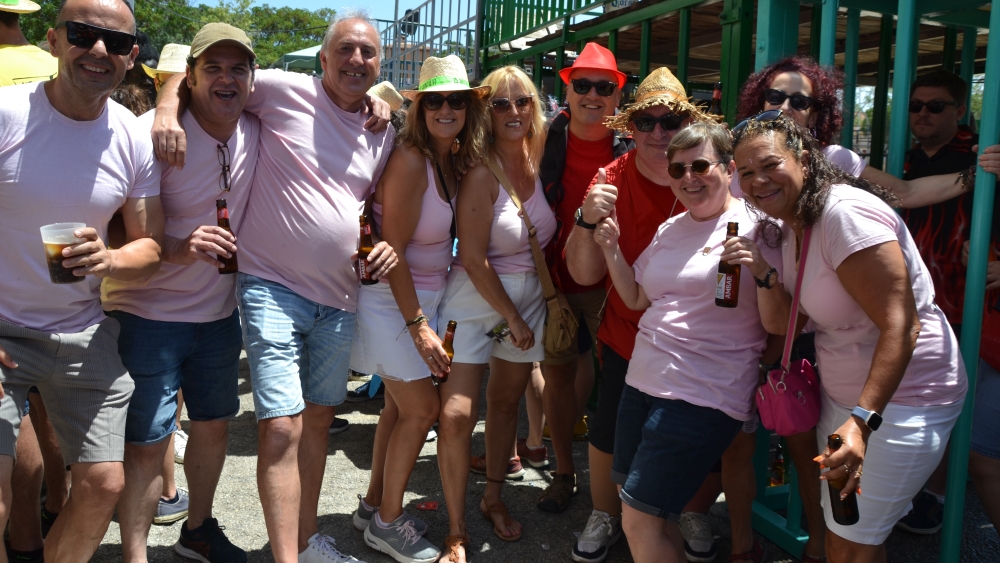
After a couple of hours, everyone will drift away in different directions, heading back to their chosen bars and restaurants, those celebrating special anniversaries normally opting for a more formal venue such as Salones Carrasco. Open-air discos, charanga bands and loudspeakers blast music in almost every street. A siesta? You’ll be lucky. A table for lunch at your favourite restaurant or bar? Impossible this day for they will have been booked up completely for months in advance.
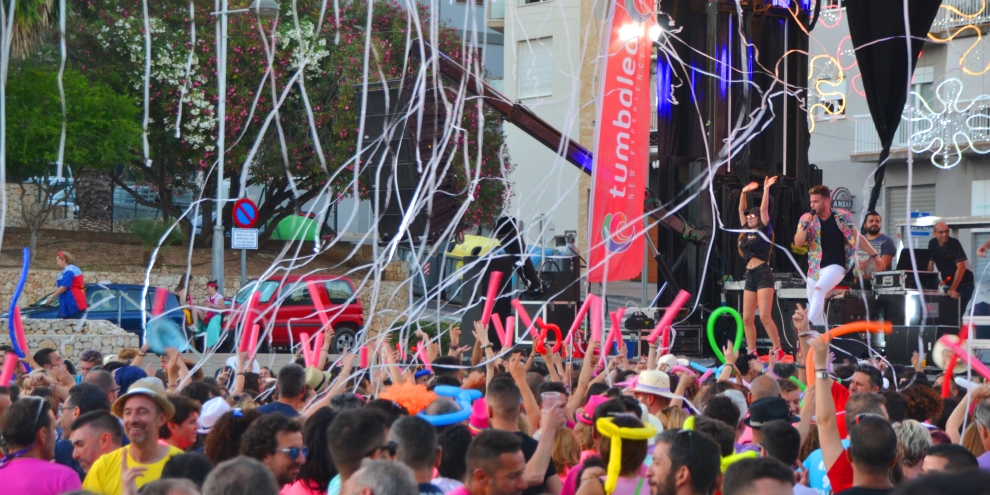
As the sun dips towards the horizon, the action will transfer to the main square where an open-air disco will pump out the party favourites as well as a few modern classics. The volume can be almost deafening at times, the music debatable. Sometimes there’s an added attraction such as a foam party or live drummers. For 2025, there will be something called the “MONACO PARTY SHOW” with live music and DJs “as well as other surprises”.
The dancing continues as the sun drops behind Montgó; it’s a night for partying and it’s far from over. The special Fogueres Commission bar always does good business as do the watering holes around the square. At midnight, there’s usually live music or a special DJ session which last well into the early hours. Sunday will be a quiet one for many.
THE PEÑAS
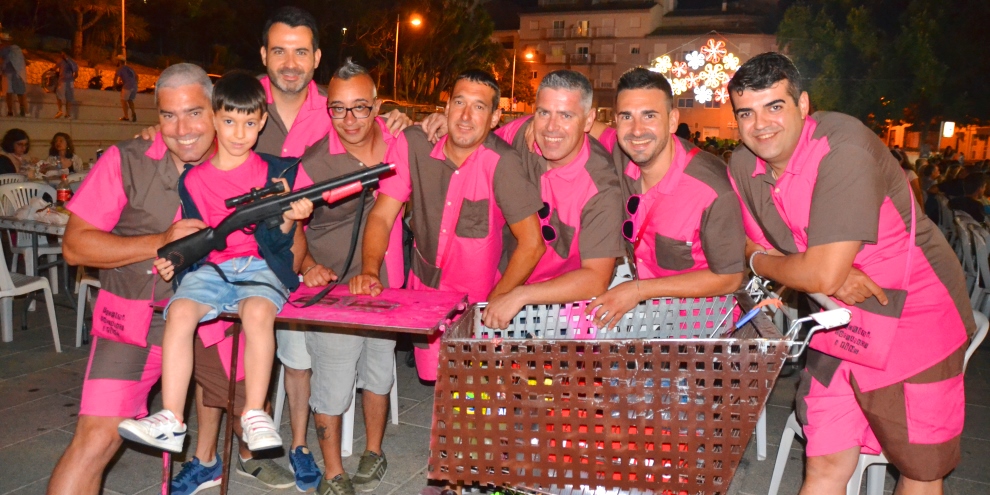
Whilst the Quintà is the central figure of Sant Joan, the peñas (‘penyas’ in Valenciano) are the heart and soul. These are friends who have formed themselves into groups with the primary aim of enjoying the fiesta together. They can vary in size from just a handful of close friends to a whole street of neighbours, taking over a vacant unit or someone’s garage as a communal billet for the duration of the fiesta.
Most if not all peñas charge an annual subscription to fund their activities; some friends throw in 200 euros each for the two weeks – but this does mean that their residence is not lacking for food and drink so they can leave their wallet safely at home.
The billets can officially open on a specific day, normally the day of the Pregón, however the peñas have already spent many days preparing them in order to be acceptable to the organising committee. Long gone is the spontaneity of finding an empty lot and using it as a party-base for a couple of weeks; billets have to have working toilets and at least one member of the peña over the age of 18 has to sign as the responsible person. Everyone likes fiestas but not everyone likes the idea of festeros using the road outside their billet or nearby rubbish bins as toilets; luckily those days have largely gone. Between them, the members of the peña take turns to cook and keep the place tidy.
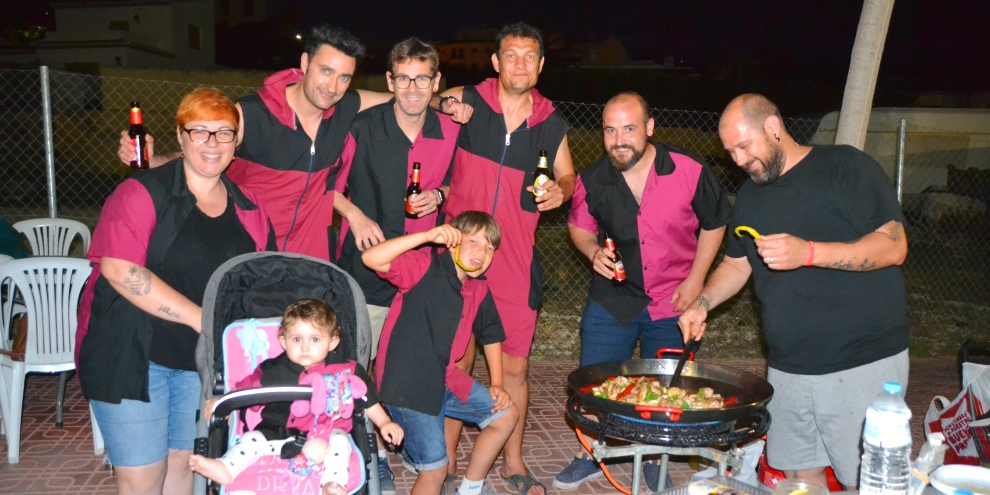
There are many events in which the peñas take part, including the paella competition, the Grand Prix ‘It’s A Knockout’ contest and much more. A few groups are also be prepared to push aside possible hangovers and walk around town letting off firecrackers during the traditional despertà – the wake-up call – whilst some have raised funds to support events such as the bull-running and the great Nit dels Focs or will help to erect the fogueras – the symbolic bonfires – for the final night of celebrations.
Being part of a peña is an honour and without the hard work from them and the quintàs, the fiesta simply wouldn’t survive.
Penya Com A Gambes – Becoming a Prawn

Click here to read more about Penya Com a Gambes, the special peña created by foreign residents to participate in the Fogueres de Sant Joan and the other fiestas of the town.