
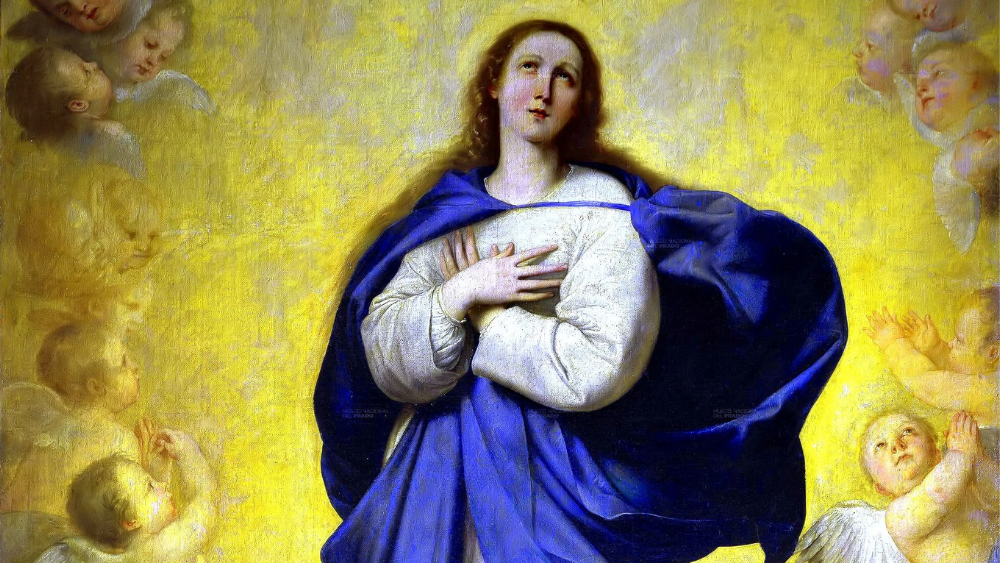
Every December 8th, Spain pauses to celebrate the Feast of the Immaculate Conception, a day that intertwines deep Catholic devotion with centuries-old regional traditions. More than just a religious observance, it’s a cultural touchstone marking the official start of the Spanish Christmas season.
What Is the Immaculate Conception?
It’s a common misconception that the term refers to the conception of Jesus. In fact, the Immaculate Conception celebrates the conception of the Virgin Mary herself. According to Catholic doctrine, Mary was conceived without original sin, preserved by God to become the mother of Jesus. Though officially declared a dogma by Pope Pius IX in 1854, devotion to the Immaculate Conception had been flourishing in Spain since the 14th century.
Why December 8th?
The date is symbolic: nine months before September 8th, the traditional day of Mary’s birth. This alignment highlights the theological idea that Mary’s life was divinely prepared from the very beginning. It’s a neat celestial calendar trick that merges faith and tradition seamlessly.
Traditions Across Spain
Spain’s regions each have unique ways of honouring the Virgin Mary. While the day is a national holiday, the celebrations vary dramatically from city to city.
Valencia: Cofradías and Community Devotion
In Valencia, December 8th is a highlight of both spiritual and civic life. Central to the celebrations are the Cofradías de las Hijas de María (Sisters of Mary Confraternities). These lay organizations, dedicated to the Virgin Mary, organize processions, masses, and community prayers, carrying banners and statues through the streets. Their ceremonial role underscores how the feast blends personal devotion with communal identity.
Valencia Cathedral hosts the solemn Mass presided over by the archbishop, followed by Vespers and a cloistered procession featuring a silver statue of the Virgin and Child. Art also plays a key role: the restored 17th-century painting The Immaculate Conception and the Jurors of Valencia is presented to the public, celebrating both the dogma and the city’s historical devotion. The Cofradías’ participation brings centuries of Marian veneration to life, creating a rich, layered tradition that engages all generations.
Seville: Dance, Music, and Community Devotion
In Seville, December 8th is a blend of solemnity and spectacle, reflecting the city’s deep-rooted devotion to the Virgin Mary. One of the most iconic traditions is the Danza de los Seises, a centuries-old ritual in which boys from the cathedral choir, dressed in ornate Renaissance-style attire, perform a choreographed dance before the altar of the Virgin. This performance, which only takes place on three major feast days of the year, is a visual and spiritual highlight, symbolizing purity, devotion, and the continuity of tradition.
The celebrations begin the evening before, on December 7th, when Seville’s streets come alive with music. University musical groups known as tunas roam the city, singing songs in honour of Mary. This charming tradition, which has persisted for over six decades, transforms the city into an open-air festival, blending academic camaraderie with religious devotion.
On the day itself, processions wind through the historic streets of the old town. Statues of the Virgin Mary are carried on elaborately decorated platforms, accompanied by flower offerings, candles, and the sound of marching bands playing traditional hymns. Local confraternities, similar in spirit to Valencia’s Cofradías, organize these processions, ensuring that each step and song honors centuries of faith and artistry.
Seville’s celebrations also feature community gatherings and charitable events, reflecting the city’s emphasis on combining devotion with social solidarity. From dawn Masses in the cathedral to evening vigils in parish churches, the day is an immersive experience where faith, music, history, and communal pride intersect beautifully.
Other Regions
In northern regions like the Basque Country and Navarra, the day is marked by processions, special masses, and public celebrations. Towns often carry images of the Virgin through the streets, accompanied by music, flowers, and prayers. These rituals reflect a devotion that is both personal and communal, connecting townspeople across generations.
A Prelude to Christmas
Though a religious observance, the Feast of the Immaculate Conception also heralds the start of Spain’s Christmas season. Markets open, streets are lit with festive lights, and families begin decorating their homes. The day blends the sacred with the celebratory, bridging faith, culture, and holiday cheer.
The Heart of Spanish Tradition
From the solemn ceremonies in Valencia, where the Cofradías de las Hijas de María lead the faithful in devotion, to the vibrant music, dances, and processions of Seville, December 8th is a day that embodies Spanish identity. It’s a time for reflection, devotion, and community gathering, a day when the story of Mary’s purity and grace resonates through art, music, and ritual. For Spaniards, the Feast of the Immaculate Conception is more than a religious holiday: it’s a celebration of tradition, culture, and the joyful approach of Christmas.