
The Valencian region cements its status as a tourism powerhouse after Valencia and Alicante airports hit new passenger records in 2025
Both infrastructures ended the year with the highest traffic figures since records began.
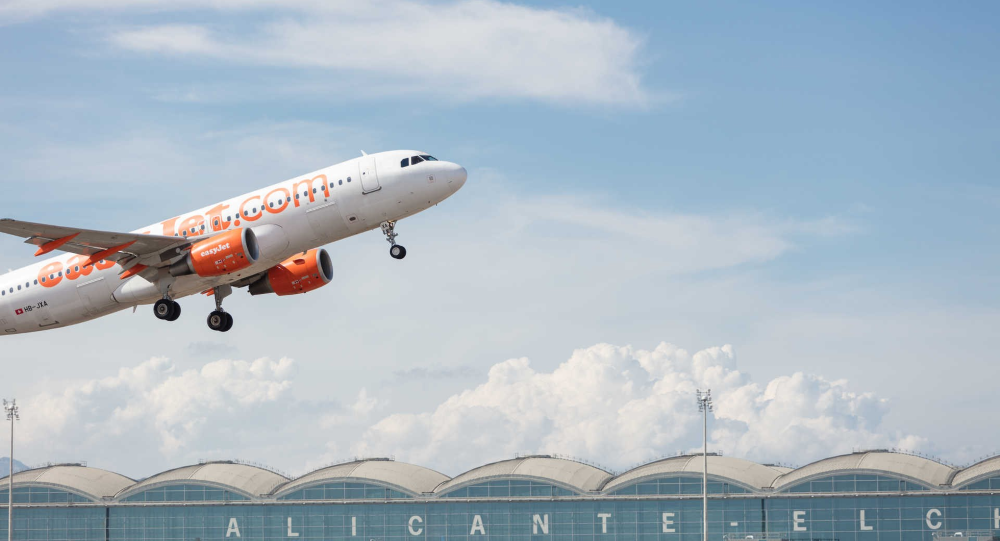
The Regional Minister for Industry, Tourism, Innovation and Trade, Marián Cano, has given a glowing thumbs-up to the latest air traffic figures for December and for the whole of 2025, released by AENA this week. Once again, the numbers confirm the “excellent health of tourism in the Comunidad Valenciana and its leading position among Spain’s top destinations”. According to Cano, Alicante–Elche Miguel Hernández and Valencia–Manises airports “have closed the year with the best figures in their history, cementing a clear and sustained growth trend”.
The numbers speak for themselves. Alicante–Elche airport ended the year with 19,950,394 passengers, an increase of 8.5 percent compared to 2024. Valencia–Manises wasn’t far behind, reaching 11,847,527 passengers and posting an impressive year-on-year growth of 9.6 percent. As the minister pointed out, “these are the two biggest increases among the ten Spanish airports with the highest annual passenger volumes”.
December also played its part in rounding off a banner year. Alicante–Elche handled 1,318,828 passengers during the month, up 8.4 percent on December last year, while Valencia airport recorded 893,420 passengers, a robust 12.4 percent increase.
For the head of regional tourism, December put the finishing touch on “an exceptional year”, with both airports chalking up month after month of rising passenger numbers and already surpassing 2024’s full-year totals before November was even over. “This performance shows that growth is neither a one-off nor seasonal, but structural,” Cano explained. “It’s the result of a well-defined tourism model based on sustainability, market diversification, international promotion and strong public–private cooperation.”
She also stressed that the Generalitat Valenciana will “continue working hand in hand with the sector to consolidate this positive trend, ensuring balanced development that creates wealth, jobs and opportunities across the entire region”.
Connectivity remains high on the agenda. Cano confirmed that the Department of Tourism will keep pushing to expand air links from the Comunidad Valenciana’s three airports to fast-growing medium- and long-haul markets. In fact, she revealed that “meetings with several airlines are already scheduled for next week during FITUR 2026”.
Against this backdrop, Cano once again underlined the urgent need to move forward with expansion projects at both Alicante and Valencia airports, noting that “the growth in air traffic is clearly exposing the current limitations of both infrastructures”.
Delays in key areas such as “the expansion and modernisation of our airports, which are absolutely essential for an international tourist destination, represent an unnecessary brake on the competitiveness of the Comunidad Valenciana”, she warned.
For this reason, the regional government is insisting on activating the expansion project for Alicante–Elche Miguel Hernández airport already planned by AENA, while also speeding up the timetable for the extension of Valencia–Manises. “These are strategic infrastructures for our economy and for the future of Valencian tourism,” Cano concluded, “and the Regional Government will continue to firmly demand that these actions be treated as a priority.”