
Spain implements new e-Scooter rules: insurance and registration mandatory from 2026
Riders face new legal obligations as authorities aim to improve safety and accountability.
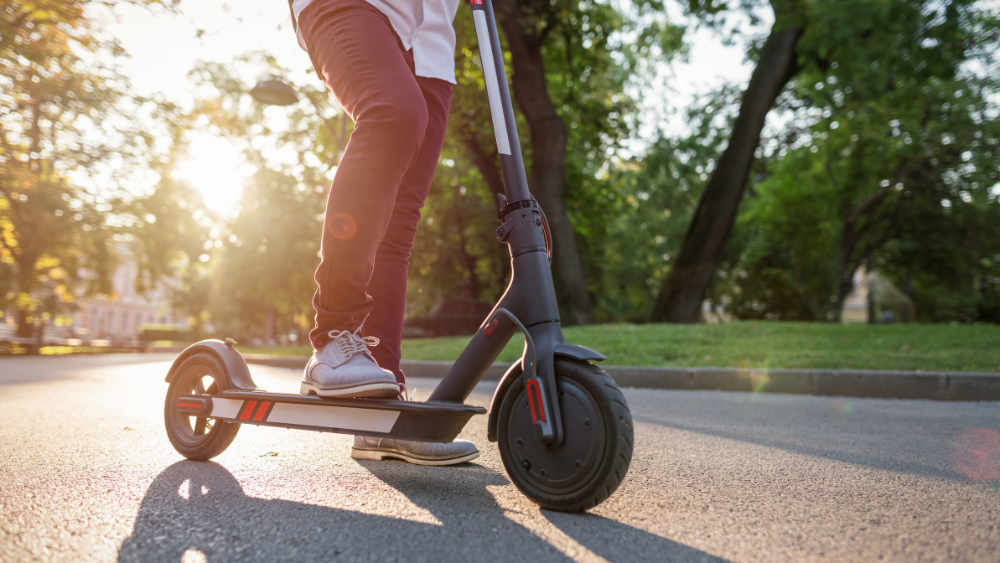
Starting January 2, 2026, all electric scooters and other light personal vehicles in Spain will be subject to stricter regulations designed to protect both riders and pedestrians. The surge in e-scooter usage has been mirrored by a corresponding increase in accidents, with one major city reporting that incidents have doubled from 62 in 2023 to 107 in 2024. Pedestrians are particularly vulnerable, especially groups like the elderly.
Thus, under the new rules, owners must carry civil liability insurance. The cost of a basic policy should be relatively affordable, typically around €30 to €50 per year, depending on factors such as the coverage level chosen, the weight of the scooter, and its maximum speed. Despite the low annual cost, the benefits are substantial: a rider responsible for an accident without insurance could face enormous financial burdens. It is important to note that home insurance policies generally do not cover damage caused by e-scooters, making a dedicated policy essential.
In addition to insurance, all VMPs must be registered with the Spanish Traffic Authority (DGT). Each vehicle will receive a certificate of circulation and a visible identification plate, making it easier for authorities to track scooters and enforce traffic rules.
The law sets clear limits for which vehicles qualify as VMPs. Scooters weighing under 25 kilograms may reach speeds of 6 to 25 km/h, while heavier scooters cannot exceed 14 km/h. Certain vehicles, such as assisted pedal bicycles and mobility aids for people with reduced mobility, are exempt from these requirements.
Authorities have also introduced safety-focused rules to improve visibility and urban mobility. Scooters must have lights on at all times, and riders are encouraged to wear reflective vests, particularly in low-light conditions. Use of high-occupancy vehicle lanes is prohibited, and parking near pedestrian crossings will be restricted to ensure safety for all road users.
These measures reflect Spain’s broader effort to align with European micro-mobility standards and bring greater legal clarity to electric scooter usage. Authorities emphasize that adherence to the new regulations is essential to avoid fines and maintain safety on increasingly busy urban streets.