Regional government unveils new plan to manage wild boar numbers in Xàbia
The “orderly regulation” will help reduce numbers of boar and other problematic species affecting the Alicante region.
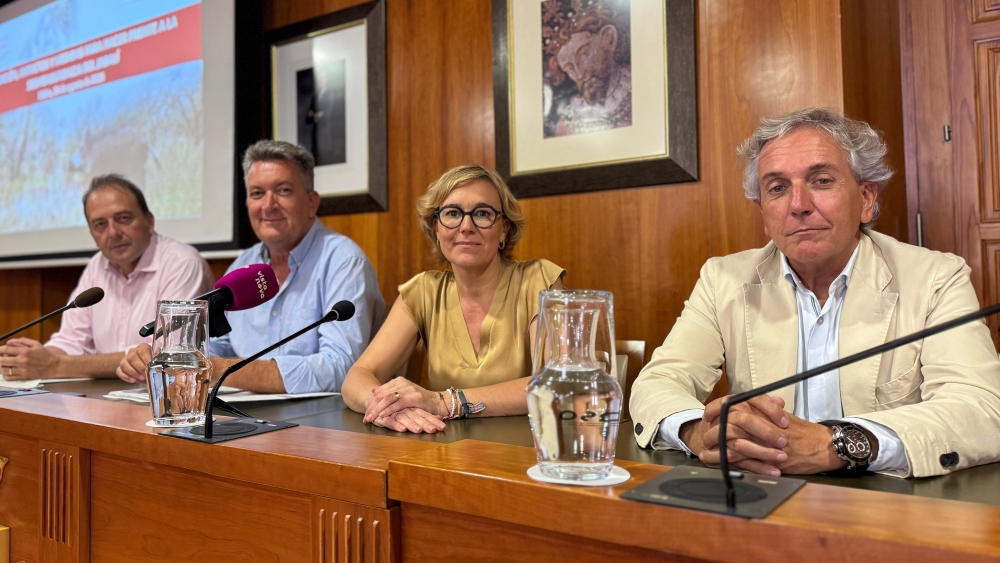
The Regional Minister of Environment, Infrastructure and Territory, Vicente Martínez Mus, has outlined the main measures of a new decree from the Generalitat Valenciana aimed at improving game management and controlling the overpopulation of wild animals. He explained that the decree will bring “orderly regulation” to help reduce the numbers of wild boar, as well as other problematic species affecting the interior of Alicante province.
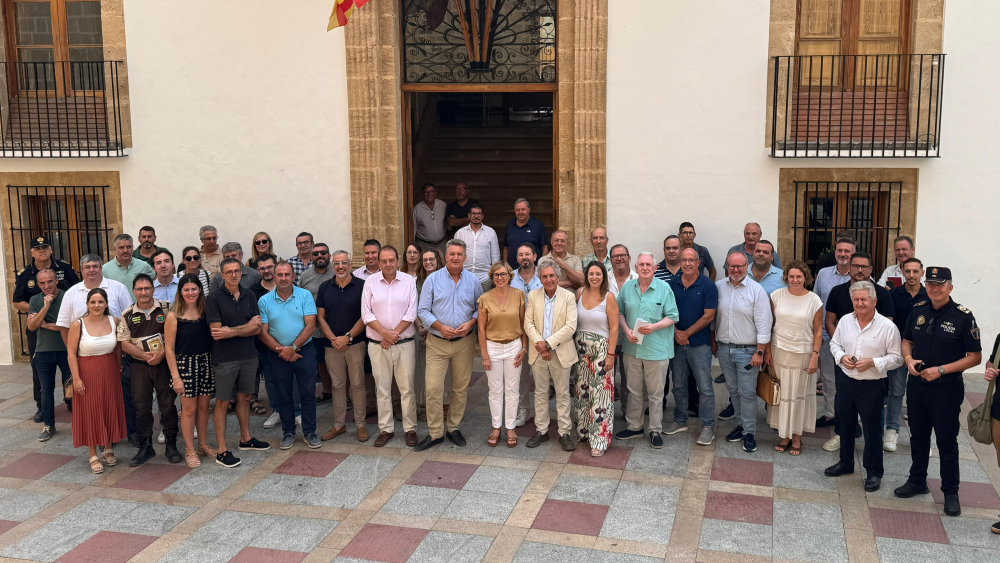
Martínez Mus highlighted Xàbia as an example, with the presentation taking place in the town alongside mayor Rosa Cardona and representatives from several municipalities. He noted that the decree also seeks to manage populations of red deer, fallow deer, mountain goats, roe deer, and wild sheep, all of which cause significant damage to farmland.
In Alicante province, the wild boar problem is being kept in check, with no new municipalities added to the overpopulation list. According to the Generalitat’s latest figures, 98 municipalities are currently affected.
The Minister explained that the regional government is extending hunting periods and simplifying current regulations. He added that the government working closely with hunters and the Hunting Federation, seeing them as key partners in environmental management.
Since the start of the legislature, the regional government has made wild animal population control a priority. The measures introduced have seen a dramatic increase in wild boar captures, with 54,548 hunted across the Comunidad Valenciana in the last season, 25,448 more than five years ago and more than double the 22,169 recorded a decade ago.
In Alicante province alone, 11,998 wild boars were captured, up from 10,929 the previous season. The minister stressed that the new decree marks a shift from past inaction and prohibitions toward more effective population management.
One change from previous campaigns is the capture of Barbary sheep and other wild sheep in Font Roja Natural Park. Barbary sheep, an invasive exotic species, are a primary target, while other wild sheep are captured to address overpopulation.
During the presentation, Martínez Mus highlighted that the Generalitat Valenciana also supports municipalities with aid programs to help them develop their own wild boar control plans. The consolidated order has a total budget of €900,000, divided into three areas: wild boar management in common hunting grounds, hunting reserves, and the removal of culled animals. The regional minister stressed that the goal of this funding is to enable municipalities to implement effective and sustainable long-term control policies.
The decree sets out several lines of action. These include equipping hunters with the right tools, enabling control techniques in areas where hunting is unsafe or impractical, involving local governments as active participants in wildlife management, and prioritizing interventions in areas with high concentrations of problem species. It also covers non-hunting areas where populations may pose a risk to the surrounding environment.
Hunting periods have been extended, restrictions on business days removed, and electronic seals introduced to cut bureaucratic red tape. New control methods are now permitted, including night vision or thermal imaging scopes, as well as the culling of invasive species such as Vietnamese pigs or Barbary sheep during hunting days.
One of the most notable updates is the formal role of local governments in population control. This allows municipalities to regulate captures in urban areas and tailor interventions to their specific needs, whether through waiting, group hunts, or other control techniques.
The regulations also allow for the declaration of territories with overabundant species, removing capture quotas and setting minimum hunting efforts to stabilize populations, while still maintaining administrative oversight and using more effective methods.
Translated and adapted from an original article by GVA Medio Ambiente: Martínez Mus subraya que el nuevo decreto de ungulados conseguirá “una regulación ordenada” para controlar la sobrepoblación de especies como el jabalí