
Out of Step and Out of Date: Xàbia’s Buses Need a Fresh Start
With three town centres and countless urbanisations, Xàbia depends on public transport that actually works. Locals say the current service, running on an expired contract and outdated buses, is far from it.
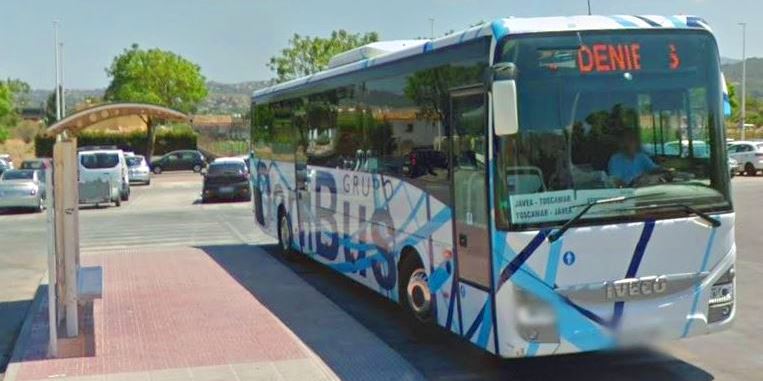
Xàbia has never been an easy town to get around. It’s spread out between three main hubs – the old town, the port, and the Arenal – plus dozens of urbanisations and scattered homes. For a place like this, a reliable public transport system isn’t just useful; it’s essential.
But the one Xàbia has today is anything but. The current bus service has been running on a concession that expired back in 2015, and it hasn’t kept up with local needs. Many residents who might once have taken the bus now zip around on electric scooters instead.
At the last council meeting at the end of September, Compromís spokesperson Carme Català called for urgent improvements to the town’s urban transport. She revealed that only one of the buses connecting the three main areas is accessible to all … and it’s a smaller 22-seater. “The others have no ramp and aren’t adapted for people with reduced mobility,” she said. “For most of the day, our public transport isn’t inclusive. We’re not meeting universal access requirements.”
The councillor responsible for Public Transport in the town, Juan Ortolà (CPJ), admitted the issue is a complex one. He reminded the chamber that the bus contract expired ten years ago and that the service runs at a loss. His blunt assessment? “No one uses it.”
The next day, Català decided to test that claim. She took the bus herself and found quite the opposite. “The reality is very different,” she said. The bus was full, with passengers standing for lack of seats, and she witnessed a wheelchair user unable to board.
Català also pointed out that ticket prices have quietly risen from €1.55 to €1.65. She pressed the council for a clear timeline on a new tender to bring Xàbia’s public transport up to modern standards. Her demands included ramps and wider aisles on all buses, better shelters and stops, and accessibility upgrades to serve elderly residents who rely on the service. Councillor Ortolà responded that municipal technicians are already working on new tender documents. But he admitted that running a bus line in Xàbia is no simple task.
The inefficiency is plain to see: most local workers have switched to electric scooters, and tourists staying in Arenal hotels often ask how to get to the port area or old town only to find there’s no clear information on routes or timetables.
Public transport is vital for knitting together Xàbia’s three centres and its scattered residential areas. Yet for years, people have said that life here without a car is almost impossible. Until the bus service is updated and made truly accessible, that dependency will remain and mobility in Xàbia will continue to move in its own, slightly chaotic direction.
Adapted from an original article published in Levante EMV: El caos del transporte público en Xàbia: del “no suben ni las ratas” a los autobuses llenos y que dejan en tierra a personas en silla de ruedas