
Researched and written by Mike Smith – November 2025
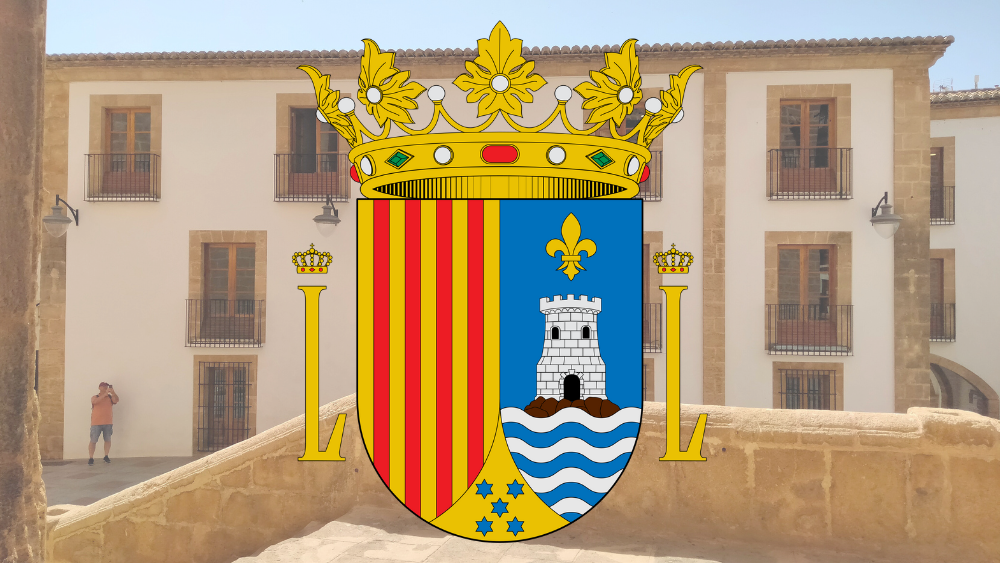
For those who call Xàbia home, or who return to its sunlit coves year after year, the town’s crest is far more than municipal branding. It is a layered emblem of sovereignty, resilience, and allegiance, a compact history that speaks of storms weathered, rights won, and loyalties declared. To read the crest is to read the town itself: a community that has navigated feudal claims, royal favour, and the convulsions of war, and emerged with a distinct identity intact.
Origins and Early Records
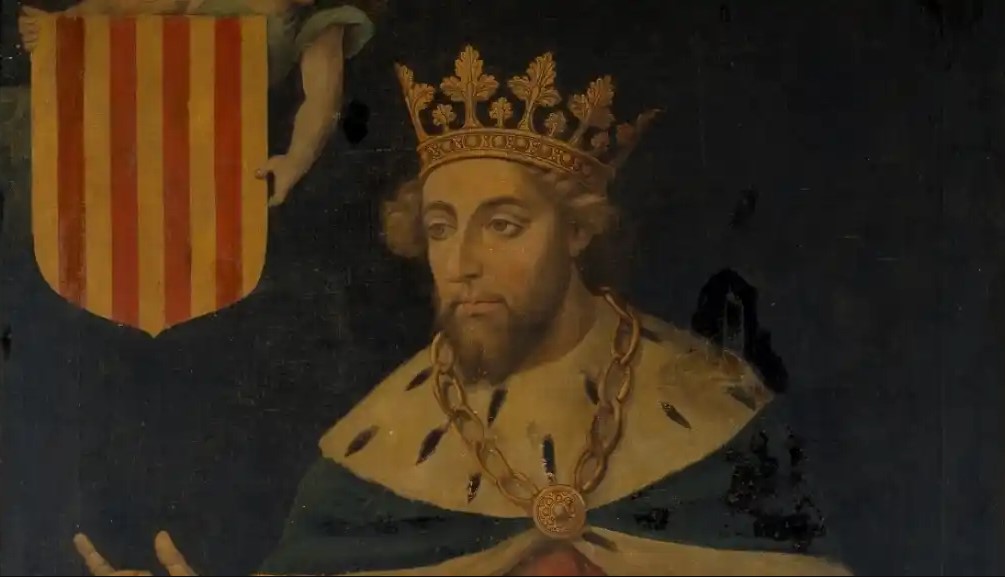
The earliest concrete mentions of Xàbia appear in royal documents stretching back to the mid‑13th century. A charter attributed to Jaume I in 1258 places the settlement of “Yxabee” on the map of medieval Valencia, and later royal records under Jaume II in 1301 confirm its continued presence in the Crown of Aragon’s administrative world. Those early entries, terse and legal in tone, mark the beginning of Xàbia’s recorded life and set the stage for a long, determined push toward autonomy. What begins as a footnote in royal ledgers soon becomes a story of civic ambition.
By 1388 Xàbia shed the label of mere “place,” a term that in medieval administration signified dependency without municipal rights. That shift hinted at growing administrative maturity and a community ready to govern itself. Less than a decade later, in 1397, Xàbia was granted its own territory, a watershed moment that transformed it from satellite settlement into a town with control over its lands, resources, and local governance. Territorial independence laid the foundation for a civic identity that would be tested and reforged in the centuries to come.
Feudal Ties and Royal Elevation
The 15th century brought new layers of power and rivalry. On 8 March 1431, the towns of Dénia, Ayora, and Xàbia were handed to Don Diego Gómez de Sandoval y Rojas by Juan II of Navarre, creating the Condado de Dénia. The Sandoval family’s influence grew; in 1487 the county was elevated to the Marquisate of Dénia by Ferdinand and Isabella, binding the region more tightly to one of Valencia’s most powerful noble houses.
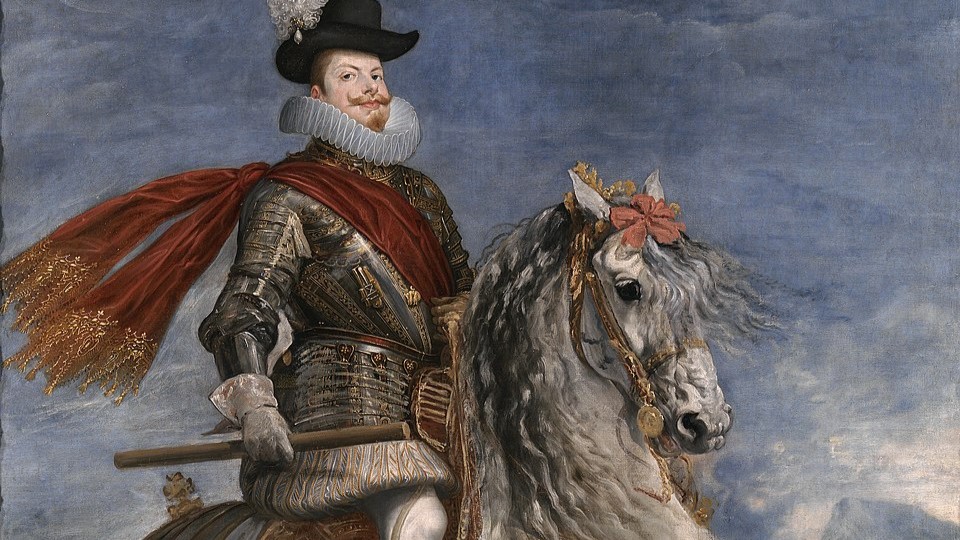
Xàbia’s fortunes rose with this connection. Its port swelled in importance for trade and defence, and the town’s loyalty during uprisings such as the Germanías revolt of 1519–1523 earned it royal notice. Then, on July 2nd 1612, Felipe III granted Xàbia the honour and title of Villa Real, elevating its status and conferring the privileges of royal towns. The decree formally separated Xàbia from Dénia, establishing distinct jurisdiction, territory, and rights equal to those of the city of Dénia itself.
Yet power rarely yields without contest. The Marquisate of Dénia appealed, and in 1642 the Territorial Court of the Kingdom of Valencia sided with the marquis, arguing that Xàbia’s elevation infringed on Dénia’s lordly rights. The court declared that Xàbia’s population fell under the marquis’s jurisdiction, not royal authority. Xàbia’s council and jurats continued to press for independence, but Dénia’s shadow lingered.
War, Choice, and Consequence
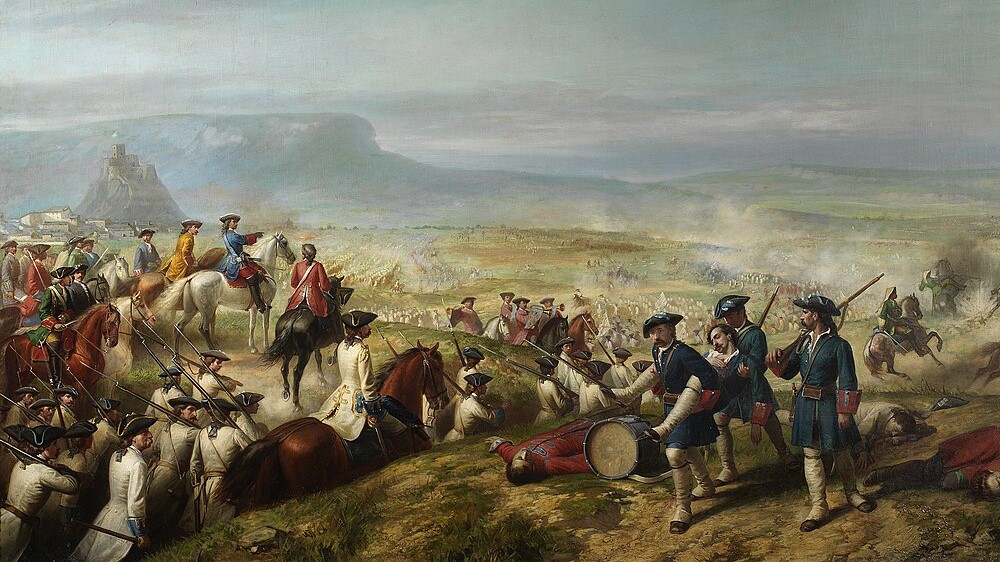
The early 18th century brought a conflict that would redraw Spain’s political map. The War of Spanish Succession pitched Bourbon Felipe V against Habsburg Archduke Carlos, and the Crown of Aragon, including Valencia, largely sided with the Habsburgs in defence of regional fueros and traditional liberties. Xàbia, however, stood apart. The town aligned with Felipe V and the Bourbon cause, a choice that would prove decisive.
The war’s turning point came at Almansa on April 25th 1707, where Bourbon forces under the Duke of Berwick routed the Habsburg coalition. With Felipe V’s victory, Bourbon control spread across eastern Spain. Dénia endured siege and hardship, eventually surrendering and suffering the loss of privileges and influence. Across the region, the Nueva Planta decrees abolished regional laws and privileges, a sweeping centralisation that punished many towns for their resistance.
Xàbia’s loyalty to the Bourbons spared it the harshest reprisals. In July 1708 the town was definitively declared a Villa Real by royal decree, removed from Dénia’s jurisdiction and confirmed under direct royal governance. On October 23rd 1709 the king granted Xàbia’s residents the rare right to bear arms and exempted them from quartering soldiers except in emergencies. These honours were not merely ceremonial; they were tangible rewards for a political gamble that had paid off
Heraldry and Meaning
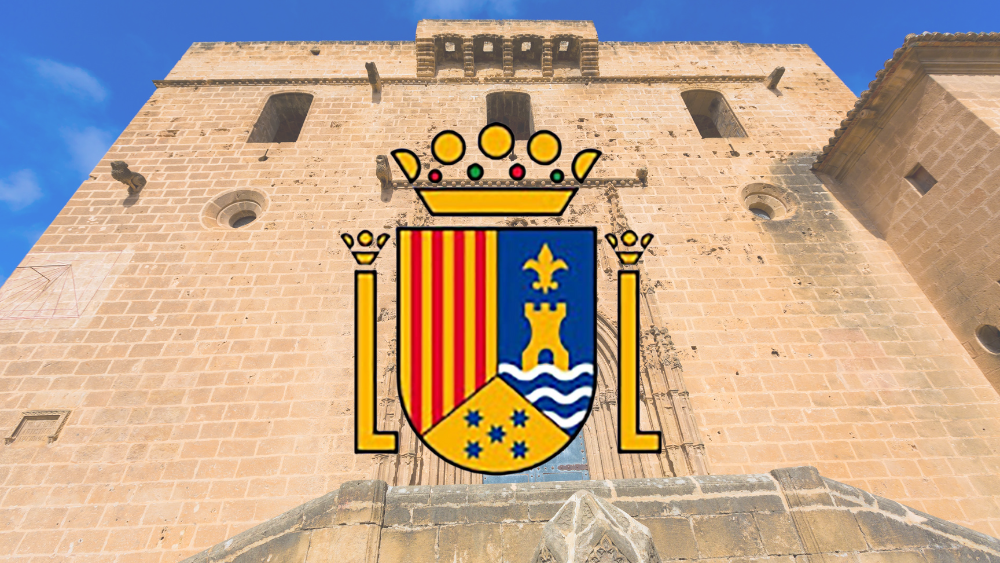
Every element of Xàbia’s crest carries historical weight. The crown proclaims royal favour and the town’s alignment with the Bourbon monarchy. The castle or tower evokes autonomy and defence, a reminder of fortified pasts and the town’s capacity to protect its own. The palette – red for valour, gold for loyalty, blue for justice – was chosen with intention, each hue a moral claim. The fleur-de-lis, unmistakably Bourbon, sealed the town’s political allegiance during the succession crisis. Alongside these symbols, the two letters L that appear on the shield were no mere decorative flourish; they were granted as an explicit sign of loyalty to Felipe V, a heraldic endorsement that turned private allegiance into public insignia.
Today the crest remains a badge of honour, a compact narrative pinned to flags, municipal seals, and the collective memory. It is not a static relic but a living emblem whose meanings continue to evolve as Xàbia grows. The crest reminds residents and visitors alike that the town’s identity is rooted not only in its Mediterranean beauty but in convictions forged through centuries of negotiation, conflict, and compromise.
In the end, Xàbia’s coat of arms is more than heraldry. It is a testament: that loyalty can be a strategy, that autonomy can be won and lost and won again, and that a small town on the Valencian coast can carry within its emblem the drama of history and the quiet dignity of survival.
Research Sources:
- ajaxabia.com “Villa Feudal”
- denia.com “Cuando Dénia fue moneda de cambio: el conflicto histórico que mantuvo el castillo en tensión durante décadas”
- wikipedia.org “Siege of Barcelona”
- ejercito.defensa.gob.es “The War of Spanish Succession”
- bestofspain.es “Dénia – A Muslim Port in Spain”