
Rental prices surge in the Marina Alta’s largest towns
Xàbia, Calp and Dénia now rank among Spain’s most expensive places to rent, with demand still rising.
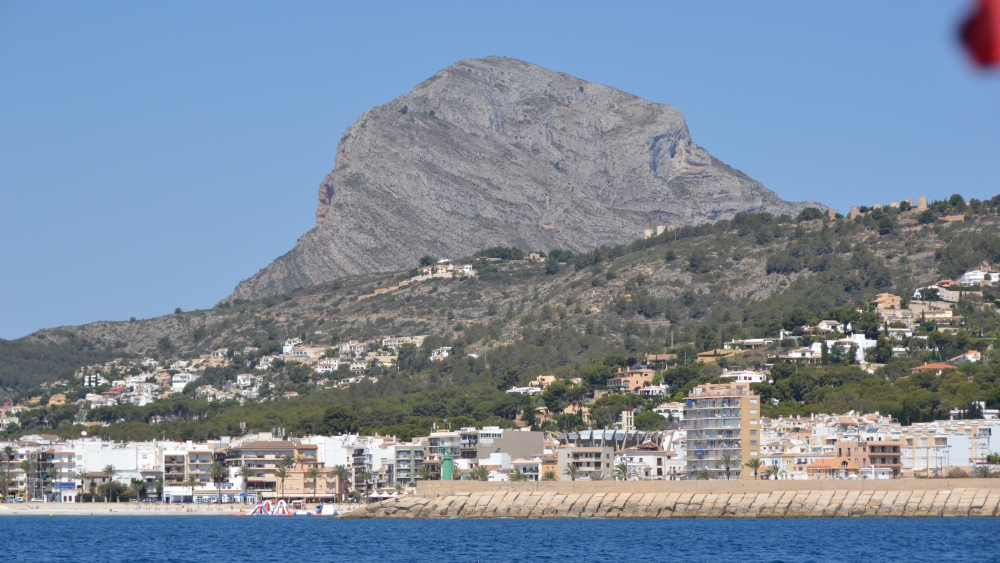
Rental homes in the Marina Alta’s largest towns are becoming increasingly expensive, and at the same time more sought after. That is the current reality in Dénia, Xàbia and Calp. The average rent across the three has reached 1,354 euros per month, placing them among the highest in Spain and showing how strongly pressured the area has become, even as the regional government continues to refrain from introducing measures to regulate rental prices.
These figures reflect real conditions. They are not the often underestimated numbers published by the National Statistics Institute, but come from Idealista’s ranking for the third quarter of 2025. This is the main platform people consult when searching for a home and one that analyzes the 162 Spanish municipalities with the greatest rental demand during that period.
According to this ranking, renting a home in Xàbia costs an average of 1,533 euros. That figure places the town in 31st place among the most expensive municipalities in the country. Calp follows closely behind in 34th position, with an average rent of 1,429 euros. Both towns rank just below the most exclusive areas of the Balearic Islands or the Costa del Sol, as well as the affluent commuter towns around Madrid and Barcelona. Yet their rents are higher than, for example, the city of Valencia, where the average is 1,358 euros, or Benidorm, at 1,283.
Dénia appears somewhat lower in the ranking, though still high: 66th nationwide, with an average rent of 1,102 euros. That is more expensive than Las Palmas, Pamplona, Seville, Granada or Elche, to name only major cities, and places it ahead of nearby towns such as Gandia, Oliva or Alcoy. Renting a home in the Marina Alta, right on the Mediterranean, has become increasingly difficult. Spain’s current minimum wage is about 2,200 euros gross per month. This means that in Xàbia, renting a home would require at least 70 percent of that salary; in Calp, around 65 percent; and in Dénia, about half.
Considering the current minimum wage, around 1,380 euros per month, renting becomes even less viable. With that income, it would be impossible to rent a home in Xàbia or Calp. In Dénia it would be theoretically possible, but the tenant would have little more than 200 euros left to manage the rest of the month, a situation clearly linked to economic hardship.
These are general numbers. To understand conditions on the ground, one need only consult the recent neighborhood income map published by CREAMA. Very few areas could sustain these prices. For this reason, it is striking that local councils either overlook the issue or address it very slowly. Xàbia falls into the first category: its council has approved permits for the construction of 82 social housing units, but very few, if any, will actually be used for that purpose. Dénia and Calp fall into the second: both have shown significantly more interest in social rental projects and already have land allocated, but administrative processes are expected to take years.