

So, you’ve traded drizzle for dazzling sunshine, swapped tea for café con leche, and now you’re wondering: how do you go from “those ‘guiris’ at number 5” to “locals-in-training with a knack for turning up where the fun is”?
Integration isn’t something stamped at the town hall, but shared over shots at fiestas, debated over football, and tested every time you attempt “gracies” without an apologetic smile. Becoming part of the community takes more than unpacking your boxes; it’s about syncing with the rhythm of local life.
Here are five ways to go from expat to honorary xabiero or at least make a convincing impression of one.
1. LEARN THE LANGUAGE – and how to ask for the good olives

It’s one of the Costa Blanca’s open secrets: in many coastal towns – Xàbia included – you can survive perfectly well without ever learning a word of Spanish. But let’s be honest, “survive” isn’t the same as “belong.” Skip the language, and you’ll miss the richest part of Mediterranean life: the warmth, humour, and shared humanity of the local community.
Even a few phrases can work wonders. Suddenly you’re not just another foreign face, you become part of the conversation. Give it a confident go and those doors don’t just open politely; they fly open. Don’t worry about rolling your R’s or stressing the right syllable, enthusiasm counts for far more than accuracy. Locals respect the effort, and a humble “¡Perdóneme! ¡Mi español no es perfecto!” earns you patience, smiles, and occasionally a little bonus for bravery: a beer or two in the local bar or even a bag of freshly picked oranges delivered to your door – it’s happened to us.
For newcomers looking to make the most of their life in the sun, learning Spanish – or more precisely, Castellano – is the smart move. But Xàbia adds a delightful twist: many locals, particularly in the old town, speak Valencian as their first language. It’s not a mere dialect, nor a Catalan knock-off, but one of Spain’s five official languages, a cornerstone of local identity and pride.
No one expects you to master it (Castellano first, always) but recognising a few common Valencian phrases will go a long way, especially when faced with official paperwork. And if someone suddenly slips into Valencian mid-sentence – it happens to all of us – don’t panic. Smile, shrug, and say “Encara l’estic aprenent” (“I’m still learning it”). You’ll likely get a warm laugh, a friendly pat on the back, and perhaps your first impromptu language lesson which, around here, is how friendships often begin.
So, if you’re new to Spain, you don’t need to master the language overnight but having a few handy phrases up your sleeve will make daily life infinitely easier (and far more enjoyable). A friendly “hola” or “buenos días” will always be met with a smile, and a polite “por favor” and “gracias” go a long way toward earning goodwill. When in doubt, a humble “perdón” or “disculpe” can get you out of just about any sticky situation, especially if paired with a grin.
Specifically, at the café or restaurant, knowing what to ask for can save you from accidental culinary adventures. Try “una mesa para dos, por favor” (a table for two, please), “el menú” (the set lunch menu), or “la cuenta, por favor” (the bill, please). If you’re feeling brave, order “una caña” for a small beer or “un vino tinto” for a glass of red. Complimenting your meal with “estaba muy rico” never fails to delight the waiter and sometimes earns a little extra affection in return.
When you’re out and about, phrases like “¿cuánto cuesta?” (how much does it cost?) or “nada más” (nothing more) will make errands less daunting. Even a simple “quisiera esto, por favor” (I’d like this, please) shows good manners and confidence. And when you’re introducing yourself to neighbours or at the local bar, “soy nuevo/a aquí” (I’m new here) and “encantado/a de conocerle” (nice to meet you) help turn strangers into friends.
Learning the local language might feel daunting at first, but it’s far less of a mountain than it appears and every word you learn becomes a key to a richer life here. Confidence, not perfection, is what truly matters. With each conversation, each attempt at rolling an ‘R’ or ordering a coffee without pointing, you’ll find the world around you opening up. The neighbours who once smiled politely will start chatting; the shopkeeper will remember your name; and suddenly, you’ll realise you’re not just living in Spain – you’re living with Spain. All it takes is a little courage, a few phrases, and a willingness to try. The rest, as they say, comes naturally, often with a smile and maybe a glass of wine to celebrate.
2. JOIN THE LOCAL FOOTBALL CLUB – and find a new family
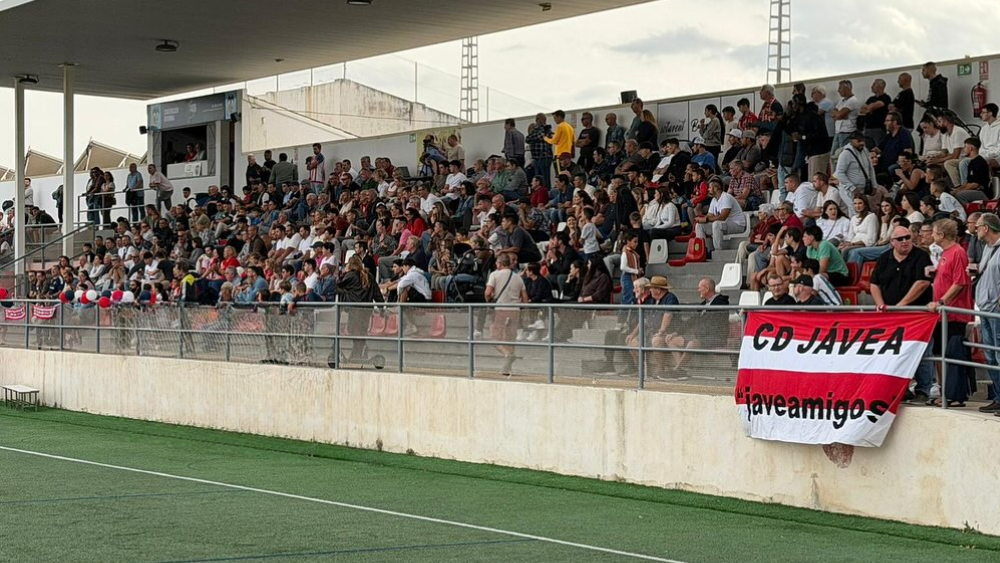
One of the first things we did after moving to Spain was to find the local football team. Within days of arrival, we were in the stands watching Jávea grind out a scrappy 2–2 draw against local rivals Calpe, surrounded by passionate fans who passed around a goatskin bag of wine while loudly questioning the ancestry of the officials and the competence of the opposing team. By the third match, we were no longer strangers: greeted at the gate with handshakes, offered that same communal swig of wine, and swept up in the collective heartbeat of the crowd. Two decades on, the rituals may have slightly changed (the goatskin bag of wine has long gone, for instance), but the spirit remains the same. Whether you’re a lifelong football supporter or someone who still thinks “offside” is a type of seating arrangement, football is your express lane to belonging in Spain.
Admittedly, CD Jávea may not be Real Madrid, but what it lacks in glamour it more than makes up for in soul. This is football at its purest, played by those who love the game, watched by those who love their town. No VAR, no inflated egos, just honest graft and pride in the badge. The fans are fiercely loyal and endlessly welcoming; there’s a sense of family that runs deeper than the scoreline. Turn up once, and you’re a guest. Turn up twice, and you’re one of them.
If you want to break the ice, buy a raffle ticket or two from the volunteers at the gate, the proceeds of which help fund the club, or go one step further and become a socio, a club member, with a say in how things are run. The conversations will come naturally as your Spanish grows: “¿Ganaremos hoy?” (“Will we win today?”), “¿Qué te parece el nuevo delantero?” (“What do you think of the new striker?”), or “¿Ese no es el hijo de Paco en el centro del campo?” (“Isn’t that Paco’s boy in midfield again?”).
After a few games, you’ll start recognising faces and, more importantly, they’ll start recognising yours. You’ll get waves in the street, toasts in the local bar, and that unbeatable feeling of being part of something bigger than yourself. Even if your Spanish isn’t quite match-fit yet, the energy, emotion, and camaraderie of the terraces will do the talking for you.
Remember: in Spain, football isn’t just a pastime; it’s part of the national DNA. The local club isn’t merely a team, it’s a shared story, a living symbol of pride and belonging. And in cheering for it, you’ll find you’re no longer just watching from the sidelines, you’re already part of the community.
3. EMBRACE THE FIESTAS – and the confetti you’ll be finding in October
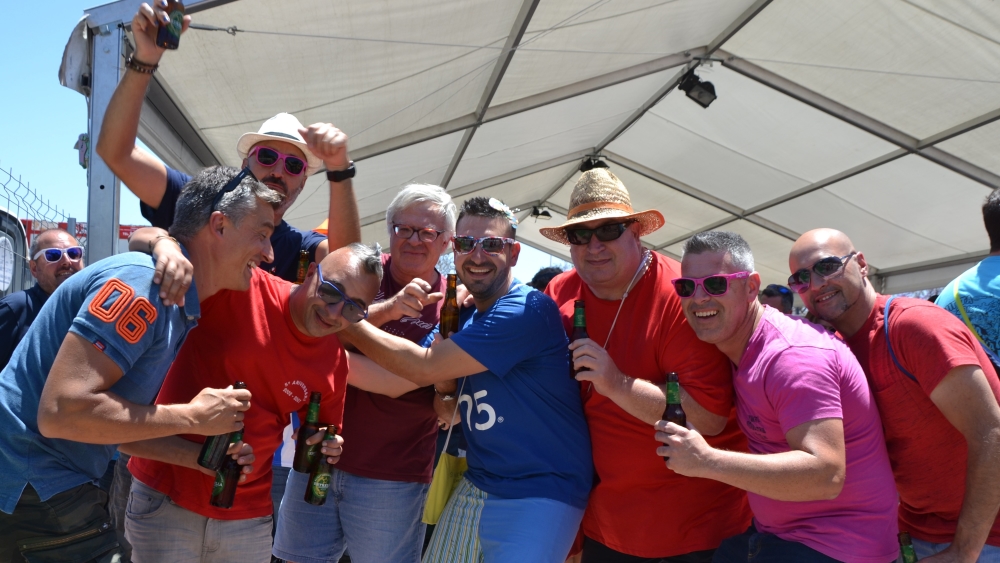
If football is Spain’s heartbeat, then fiestas are its soul and Xàbia has a lot of soul to go around. The town is famous for its calendar of celebrations, with eight major fiestas lighting up the year, not to mention countless smaller ones that honour saints, seasons, and sometimes, it seems, simply the joy of being alive. One morning you might wake to the sharp crackle of firecrackers echoing off the hills or a rocket bursting overhead with absolutely no idea why. Another afternoon, you’ll be enjoying a lazy lunch by the sea when a brass band (charanga) suddenly parades past, followed by a crowd of singing, dancing, and decidedly merry locals. You won’t know what they’re celebrating but, unless you’re made of stone, you’ll desperately want to join them.
In Spain, fiestas aren’t just entertainment; they’re living, breathing expressions of community, history, and identity. The golden rule? Don’t just watch – participate! Step off the pavement, clap along, raise a glass, dance (badly if you must), and let yourself be carried by the rhythm of the crowd. No one will care if your moves are questionable or if you don’t yet know the lyrics, they’ll simply be thrilled that you’re taking part. Fiestas dissolve barriers faster than any formal introduction could, and they’re the perfect, pressure-free setting to practise your Spanish amid laughter, music, and fireworks.
If you’re lucky enough, you might be invited to join a peña, one of the local social groups that form the joyful backbone of every celebration. Or if you’re bold enough, start your own; all you need is a name, a few friends, and a shared love of the fiesta, the music and incredible laughter. Before long, you’ll have your own spot in the parade, your own table at the communal dinners, and a hundred new friends who’ll insist you stay for “just one more casalla.”
Finally, don’t treat fiestas like a checklist of photo opportunities; get to know their stories. Each one has deep roots, a patron saint, a legend, a moment in local history that still beats in the heart of the town. Learn a little about them, respect their traditions, and they’ll soon stop being their fiestas and start feeling like your fiestas too. Some moments are solemn, others gloriously chaotic, but all of them reveal something real and human about the place you now call home.
So if football connects you to the community through shared passion, fiestas connect you through shared joy, a deeper, more emotional bond. They’re an open invitation to belong, a chance to show that you’re not just living here, you’re living it. And the best part? No one ever forgets the newcomer who threw themselves into the dancing with a smile and fulled by another shot of casalla.
4. BEFRIEND YOUR NEIGHBOURS – especially those with the orange trees
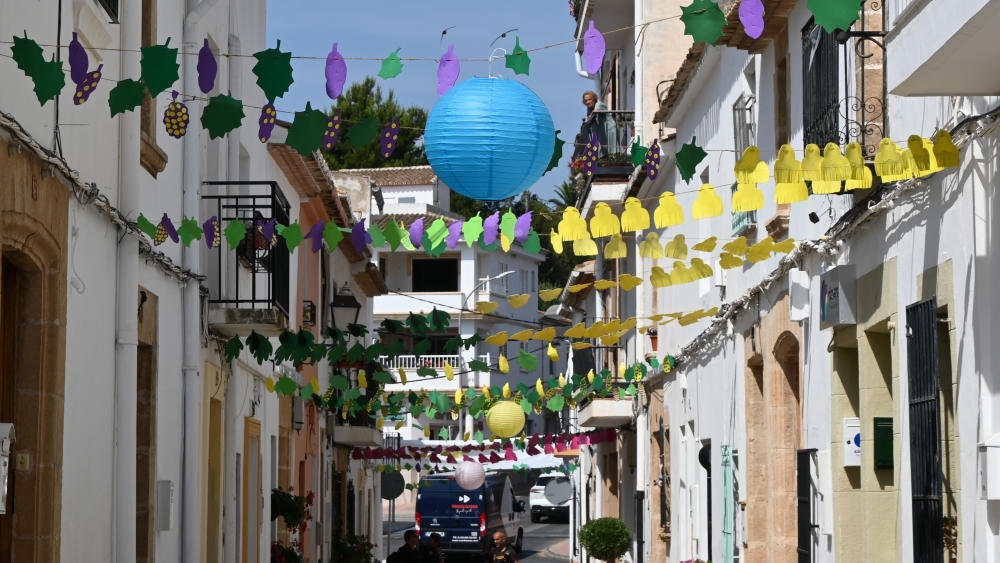
In Xàbia, neighbours aren’t just the people who happen to live next door, they’re your unofficial family, your local news network, and, occasionally, your emergency citrus suppliers. The moment you move into the street, you’ll become the day’s top story, but don’t worry, it’s all in the spirit of curiosity and kindness.
Start simple: say hello. Try a few words of hesitant Spanish – or Valencian, if you’re feeling adventurous – and watch the warmth unfold, maybe slowly at first but it will gather momentum. Before long, you’ll be greeted with smiles, waves, and genuine interest in how you’re settling in. Here, community isn’t a concept; it’s a reflex. A lost cat becomes everyone’s lost cat. A broken boiler turns into a team-building exercise. We’ve even been pursued around the local supermarket to receive gentle but firm advice on how to revive our wilting window display, such is the pride people take in their street.
Soon enough, the friendships will bear fruit. And sometimes quite literally. Don’t be surprised to start receiving bags of oranges, lemons, grapefruits, and the occasional mysterious citrus offering, proudly presented as “good for digestion.” Always accept. Refusing fruit in Xàbia is like refusing friendship, and besides, there’s something deeply satisfying about squeezing your own juice in the morning, sunshine in a glass that tastes infinitely better than anything you could ever buy in a supermarket.
In a town like Xàbia, community isn’t built through grand gestures, it’s grown through small, everyday acts of generosity, laughter, and shared sunshine. Before you know it, you won’t just live on your street, you’ll belong to it.
5. GIVE BACK – and watch the hugs roll in
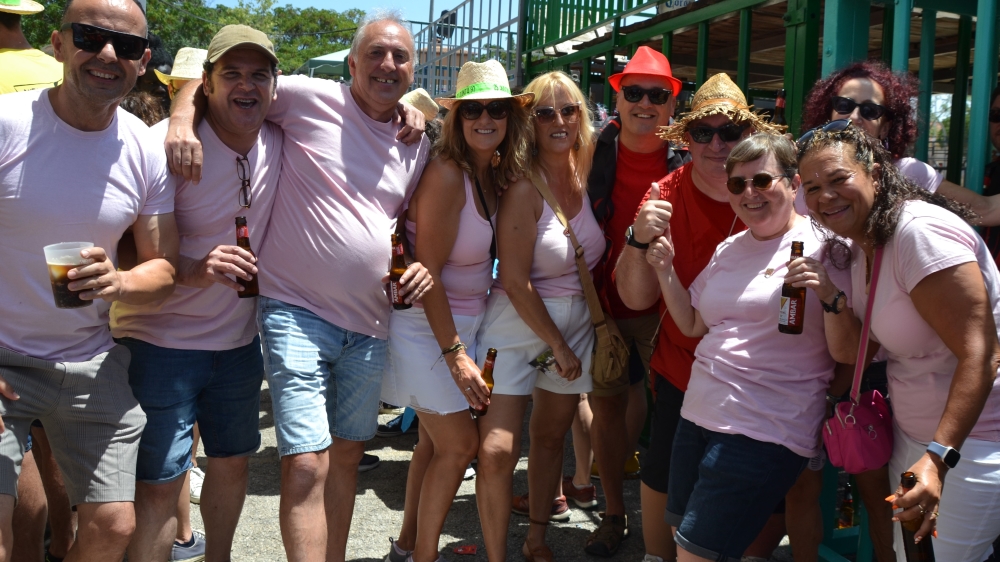
Integration isn’t just about showing up, it’s about showing up with purpose. In Xàbia, community isn’t a spectator sport; it thrives on contribution, on the small acts that make shared life richer for everyone. There’s always room for one more pair of hands. Volunteer with the fiesta committee or at the football club, help string bunting and fairy lights across your street in a bid to win the best decorated award, or offer to teach English to the kids from number twelve; they’ll repay you with laughter, patience, and an impromptu Valencian lesson or two, whether you ask for it or not.
The more you give, the more you’ll be embraced – and not just metaphorically. Spaniards are huggers by nature; expect cheek kisses, hearty backslaps, and the occasional unsolicited drink delivered with pure affection. This is a culture where generosity begets generosity, and where belonging isn’t something granted, it’s something grown through participation, patience, and good humour.
So here’s the final thought: if you’ve ever found yourself dancing in a plaza at midnight, surrounded by people who were strangers only hours ago but now feel like lifelong friends, congratulations, you’ve done it right. You’re not just living in Spain anymore. You’re part of it. And you’re well on your way to becoming an honourary xabiero!