
Spain Says “No Más” to Changing the Clocks
Prime Minister Pedro Sánchez leads the charge to end Daylight Saving Time across the EU.
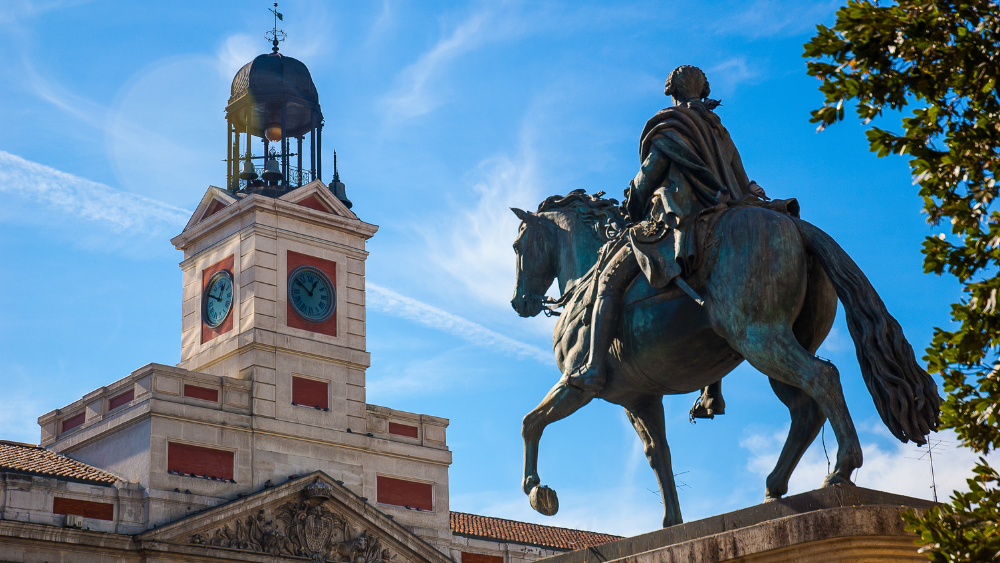
Spain is ready to move on from the twice-yearly ritual of changing the clocks. On Monday, Prime Minister Pedro Sánchez announced that his government will formally ask the European Union to abolish Daylight Saving Time beginning next year. If successful, the familiar “spring forward” and “fall back” adjustments could soon become a thing of the past.
According to Sánchez, changing the clocks every March and October no longer makes sense. The government’s reasoning is straightforward: public support for ending the practice is strong, scientific evidence of energy savings is weak, and the disruption to people’s health is significant. A recent poll shows that two-thirds of Spaniards (66%) would prefer to keep the same time all year round.
When Daylight Saving Time was introduced decades ago, the goal was to reduce energy consumption by maximizing daylight hours. But with modern technology, flexible work schedules, and widespread use of air conditioning, studies now suggest that the benefits are minimal. Meanwhile, the drawbacks are increasingly clear, even a one-hour shift can affect sleep, stress levels, and overall well-being.
As Sánchez explained in a video shared on social media: “It no longer makes sense. It barely helps save energy and has a negative impact on people’s health and lives.” He added that “useful policy listens to citizens, listens to science, and brings it into legislation.”
The idea of scrapping clock changes isn’t new. Both the European Commission and European Parliament endorsed it several years ago, but disagreements among EU member states stalled any decision. Now, Spain plans to put the issue back on the agenda at the upcoming EU Transport, Telecommunications and Energy Council (TTE) meeting, with the aim of phasing out the time change by 2026.
Daylight Saving Time has been in place across Europe since 1980, when the then-European Economic Community standardized summer and winter hours to promote energy efficiency and market coordination. But after nearly 50 years, Spain argues that changing social habits, technological advances, and a growing focus on health make the measure outdated.
Before anything changes officially, however, there’s still one last clock adjustment to come. This weekend, between the night of October 25 and 26, the time will move back one hour, from 3.00 am to 2.00 am, an extra hour of sleep before the clocks stop changing altogether.
Whether or not the EU follows Spain’s lead, one thing is clear: the debate over Daylight Saving Time’s future is finally ticking toward a decision.