
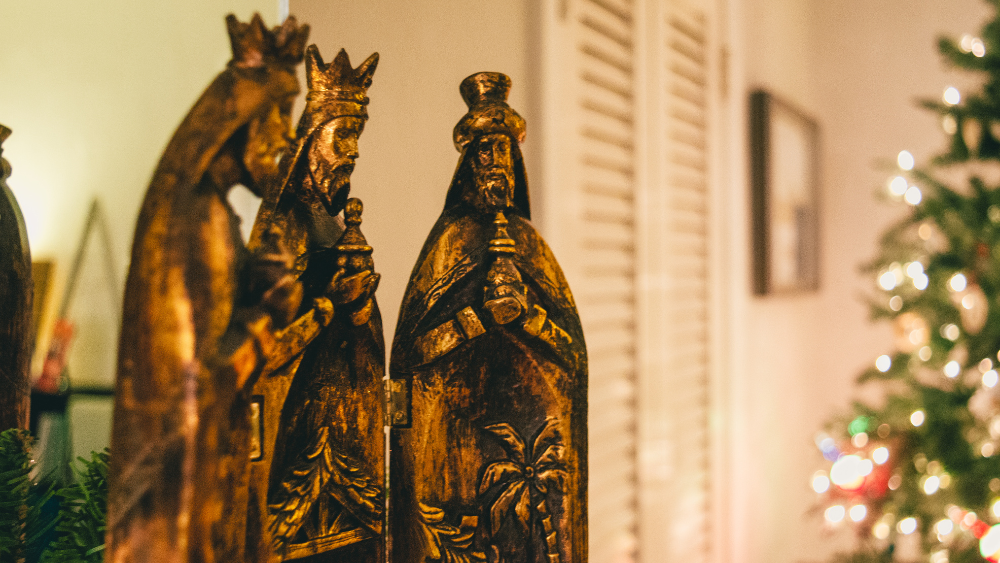
When Christmas trees around the world begin to wilt and the New Year’s confetti has been swept away, Spain is just gearing up for one of its most beloved and magical celebrations: La Epifanía del Señor, or Epiphany, observed every year on January 6th. This feast, deeply rooted in both religious tradition and joyful festivity, marks the official end of the Spanish Christmas season and, for many children, the most exciting day of all.
What Is La Epifanía del Señor?
The feast of the Epiphany commemorates the visit of the Three Wise Men (Los Reyes Magos) – Melchior, Gaspar, and Baltasar – to the baby Jesus in Bethlehem. Guided by a star, they arrived bearing gifts of gold, frankincense, and myrrh, symbolizing Christ’s kingship, divinity, and mortality.
For Christians, this moment reveals Jesus to the world as the Son of God, an “epiphany,” meaning manifestation or revelation. In Spain, it’s both a sacred religious observance and a cherished cultural celebration that blends faith, family, and festivity.
The Night Before: The Cabalgata de Reyes
On the evening of January 5th, Spanish towns and cities burst to life with one of the most anticipated spectacles of the year, the Cabalgata de Reyes, or Three Kings Parade.
From Madrid to Seville, and Barcelona to tiny villages tucked in the mountains, the Three Kings arrive on elaborate floats, tossing caramelos (sweets) to eager crowds. Children line the streets, their faces aglow with anticipation, clutching letters they’ve written to the Kings asking for gifts.
In Alcoy, one of the oldest parades in Spain, the Kings arrive on camels and pages climb ladders to deliver presents directly through the windows, a scene straight out of a storybook.
In Xàbia, their Majesties inevitably arrived by fishing boat and then parade through the town with a grand entourage. Here too, pages climb ladders to deliver bags of presents to excited children watching with their families on balconies.
By nightfall, families return home, and children carefully leave out well-polished shoes by the window or fireplace, hoping the Kings will fill them with gifts. They also set out water and hay for the camels, and perhaps a few sweets or liqueurs for the Kings themselves, a sweet token of hospitality.
January 6th: The Day of Gifts and Joy
When dawn breaks on El Día de Reyes, excitement fills Spanish homes. Children rush to see what the Kings have left, toys, books, or surprises tucked inside their shoes. Much like Santa Claus in other parts of the world, Los Reyes Magos are the true bearers of Christmas magic in Spain.
Families sometimes gather late in the morning for a special breakfast or lunch, often followed by laughter, games, and the exchange of gifts among adults as well. Despite modern influences (many children now receive gifts on Christmas Day too), the Epiphany remains a cherished tradition that bridges generations.
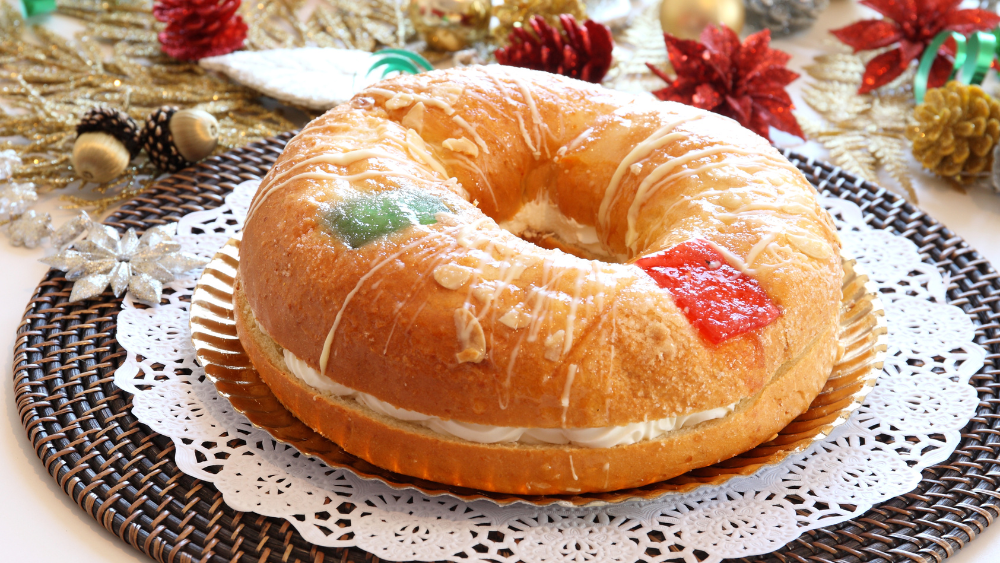
The Taste of Tradition: El Roscón de Reyes
No celebration would be complete without Spain’s iconic Roscón de Reyes, a ring-shaped sweet bread topped with candied fruits, symbolizing the jewels of the Kings’ crowns. Inside, bakers hide two surprises: a tiny figurine of a King or baby Jesus, and a dried bean. Whoever finds the figurine is crowned “king” or “queen” of the day, while the unlucky one who finds the bean must pay for next year’s roscón!
It’s usually enjoyed with thick hot chocolate or coffee, and many bakeries compete to make the most beautiful (and delicious) roscón, filled with whipped cream, custard, or truffle. Otherwise, they can often be found in the freezer cabinets of all the main supermarkets.
The Religious Heart of the Feast
Beyond the parades and pastries, Epiphany Masses across Spain remind the faithful of the day’s true meaning. Churches display nativity scenes (belénes), often adding the Magi figures on this day to complete the tableau. Choirs sing, incense rises, and the Gospel recounts the story of the star and the journey of the Wise Men, a reflection on faith, discovery, and generosity.
A Celebration That Marks the End and a Beginning
As evening falls on January 6th, the Christmas season in Spain officially comes to a close. Decorations begin to come down, children prepare to return to school, and adults return to work. Yet, the spirit of La Epifanía del Señor lingers, a reminder of light after darkness, giving after receiving, and joy shared among family and community.
In Spain, it isn’t Christmas that holds the most magic, it’s the day the Kings come bearing gifts, riding through starlit streets, leaving wonder in their wake.