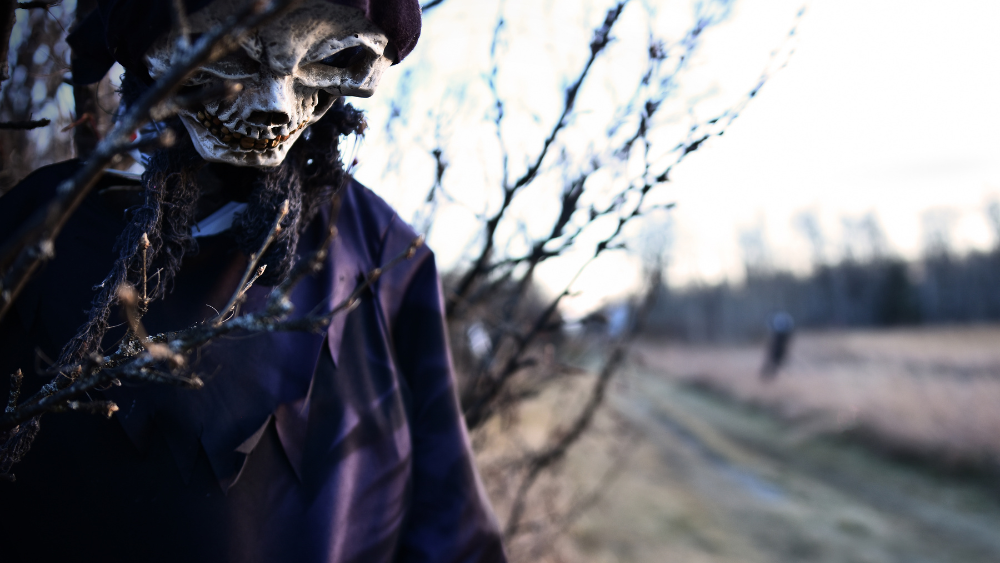
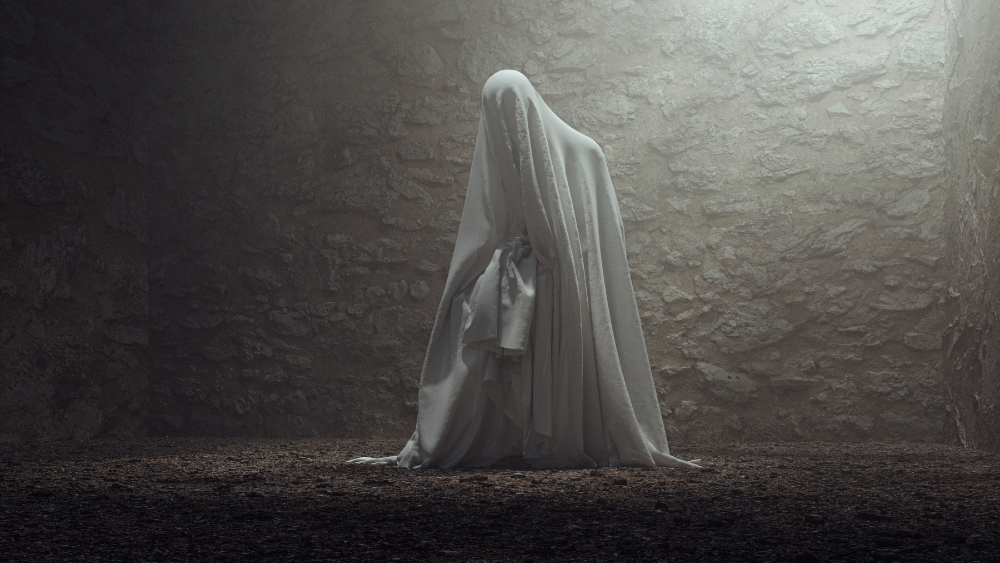
When night falls over Valencia’s narrow medieval streets, locals still whisper about the bubota, a ghostly presence said to drift silently through crossroads, cemeteries, and abandoned houses. To some, it’s little more than an old folk tale. To others, it’s the echo of a centuries-old fear that refuses to fade.
Long before Halloween pumpkins arrived from America, the people of the Mediterranean had their own way of conjuring ghosts. In the Balearic Islands and across Valencia, the bubota (sometimes called bubotes, mumerota, or mumorota) has haunted stories told at kitchen tables for generations.
The word bubota comes from old Catalan roots and refers to a spirit or specter, something halfway between a trickster and a phantom. Traditionally, a bubota appears as a white-sheeted figure, drifting through moonlight, hovering just long enough to startle a late-night wanderer.
“It’s the Mediterranean cousin of the European ghost,” explains folklorist Marta Llinares of the University of Valencia. “But the bubota isn’t about horror. It’s about imagination, moral lessons, and community memory.”
For centuries, parents used the bubota to keep their children in line. “If you don’t come home before dark,” a mother might warn, “the bubota will catch you.” The figure was part cautionary tale, part bedtime scare, one of many espantacriatures, or “child-frighteners,” in Valencian folklore.
Each town had its own variation. In one village, the bubota might be the ghost of a betrayed lover; in another, a soul doomed to wander for mocking the church. They might guard crossroads, wells, or the edge of town, liminal spaces between safety and danger, life and death.
In recent years, as Valencia’s younger generations rediscover their folk traditions, the bubota has made a comeback. During La Nit de les Ànimes – the Night of Souls – some communities “Valencianize” Halloween by reviving old legends of the bubota and other spirits. Children parade in costumes inspired not by movie monsters, but by their own ancestral ghosts.
In a small town near L’Horta, residents even organize a Passeig de les Bubotes, a “ghost walk” through old streets, guided by storytellers holding lanterns. The goal isn’t fear but remembrance: to reconnect with a folklore that once filled long autumn nights with wonder.
And in Xàbia, the annual Bubotafest transforms the town’s Plaza de la Constitución into a lively playground of ghosts and ghouls. The event, organised by the Comissió de Fogueres de Xàbia, features a spooky parade with music, a children’s show full of playful scares, and dancing to a DJ that carries on into the early hours.
Families and friends fill the square, mixing traditional Valencian folklore with modern Halloween fun, a celebration of community as much as of the supernatural. “It’s about keeping our stories alive,” says one Xàbia organiser. “The bubota may come from the past, but she still knows how to party.”
Unlike imported horror icons, the bubota feels rooted, born of Mediterranean soil and superstition. It speaks to a time when belief and imagination were part of everyday life, when every wind-whipped corner or empty path might hide a story waiting to be told. The bubota may not haunt the living anymore, but it lingers in the language, the festivals, and the shared memory of a region that still listens to the whispers of its ghosts.
Five Valencian Creatures That Go Bump in the Night
- El Butoni: A mischievous goblin said to appear at dusk, frightening children who wander too far from home. Often blamed when things go missing or go bump in the night.
- La Quarantamaula: A terrifying night phantom with glowing eyes and long claws, known for chasing disobedient children through the streets.
- El Home dels Nassos: The “Man of Noses,” who has as many noses as there are days left in the year. He’s both a trickster and a riddle, seen only on New Year’s Eve.
- El Drac del Patriarca: A dragon said to have once terrorized Valencia before being slain and displayed at the University’s chapel, where its mummified remains (actually a crocodile) still hang today.
- Les Bruixes de la Malva-rosa: Witches of Valencia’s seaside district, reputed to conjure storms and mischief on moonlit nights when the sea turns silver and restless.